Earn Points & Save Pounds
Before You Start - Woodturning
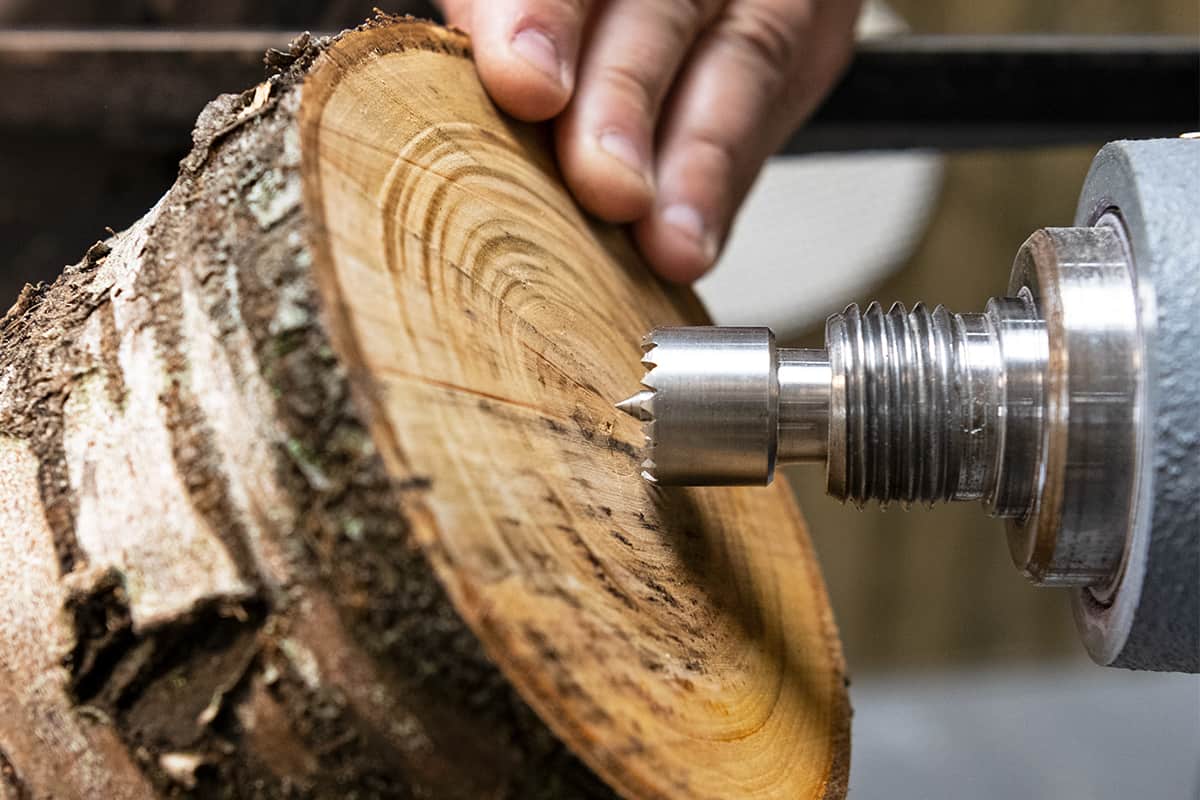
Before you start woodturning, it’s easy to focus on the finished form – the curves, the symmetry, the surface finish. But more often than not, the difference between a frustrating turn and a smooth, controlled one comes down to what happens before the lathe is even switched on.
Small details like how the blank is mounted, how your tools are prepared, and how the piece is balanced rarely take long, but they shape everything that follows. These are the quiet habits that improve control, reduce vibration, and make turning feel more confident and enjoyable.
Before you start woodturning, conscious decisions make a huge difference. Learn these four simple principles to improve accuracy, avoid common mistakes, and build with confidence.
Principle 1: Balance matters more than speed
Before you turn on the lathe…
Smooth turning starts before the wood spins. An unbalanced blank causes vibration, chatter, and anxiety - no matter how sharp your tools are. Before you start:
- Centre the blank carefully
- Secure it firmly
- Start slower than you think you need
One helpful tool:
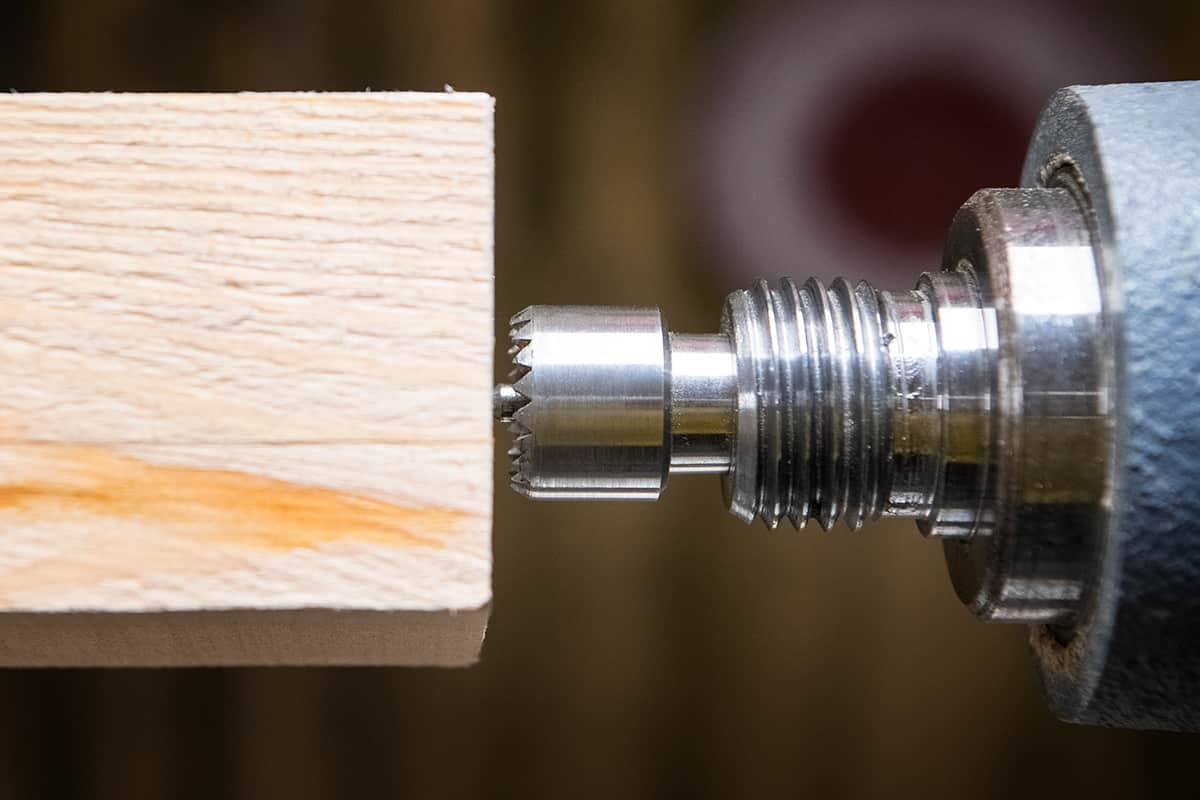
A reliable drive centre and live centre give you stability from the first rotation. Confidence on the lathe comes from control, not speed.
Principle 2: Present the tool - don’t force it
Catches aren’t random
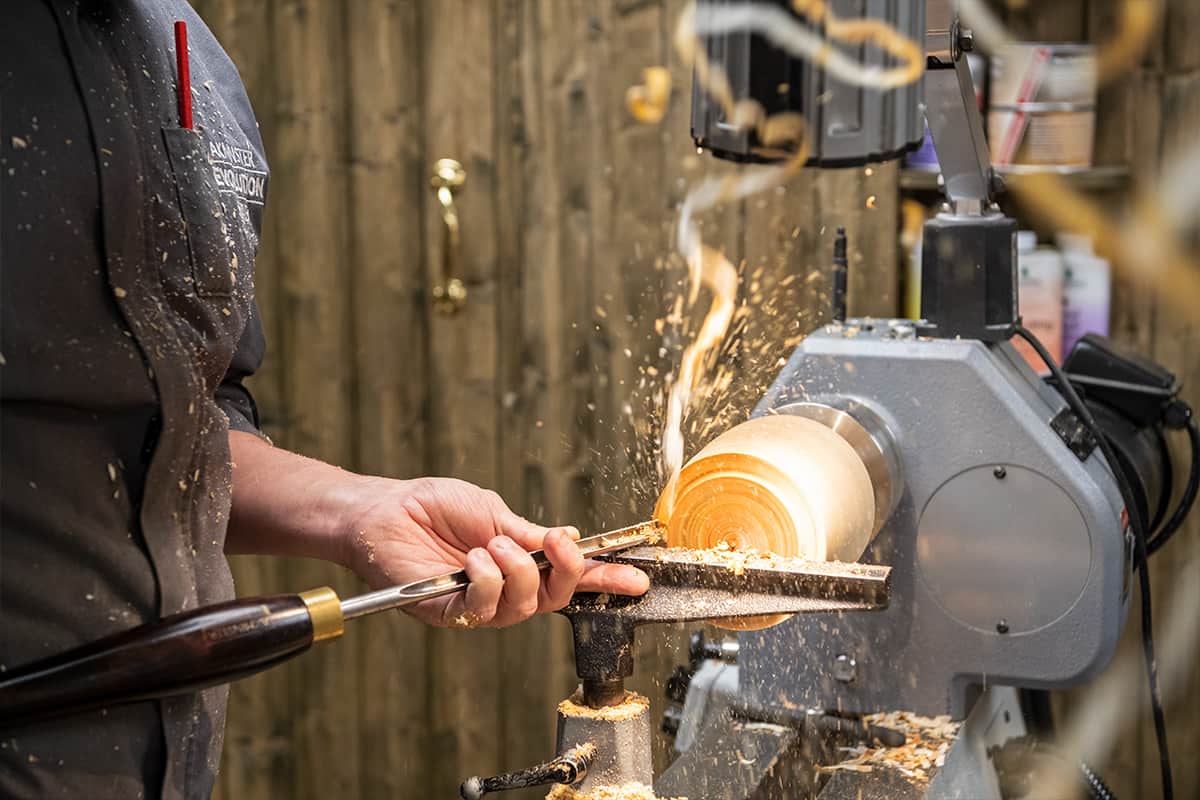
Most catches happen not because tools slip - but because they’re pushed.
- Let the bevel guide the cut
- Adjust the tool rest
- Let the edge meet the wood naturally
One helpful tool:
A well‑profiled bowl gouge is forgiving and versatile, especially when learning good presentation. Turning should feel deliberate, not urgent.
Principle 3: Sharpness matters more on a lathe
Dull edges work against you
Turning tools lose their edge faster than many expect.
A slightly dull gouge:
- Tears grain
- Increases vibration
- Leads to frustration
Before you start or midway through a piece, take the time to refresh the edge.
One helpful tool:
A bench grinder with a simple jig maintains consistent angles and removes the guesswork. Stopping to sharpen is progress - not interruption.

Principle 4: Finish starts at the tool edge
Sanding shouldn’t fix torn grain
Good surface finish begins with clean cuts. Excessive sanding often means the tool wasn’t finishing cleanly.
Pay attention to:
- Grain direction
- Tool angle
- Final shear cuts
One helpful tool:
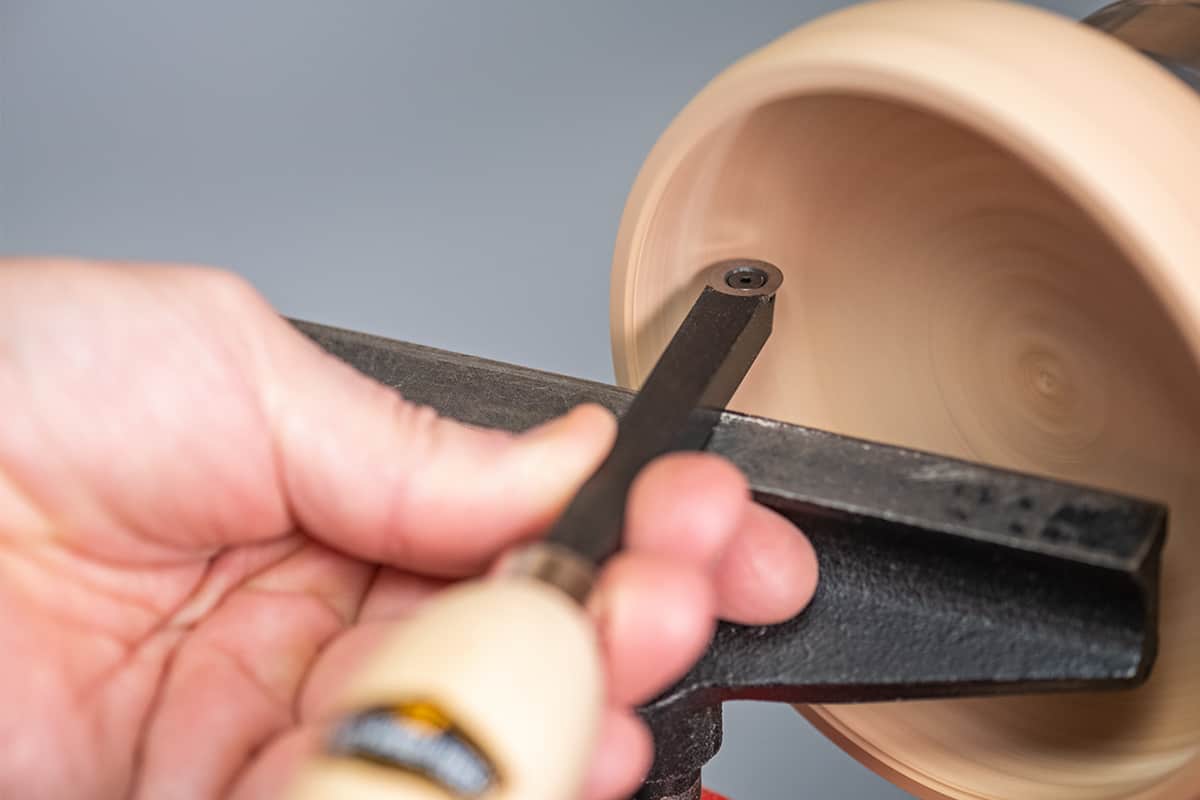
A negative rake scraper allows controlled finishing cuts with less tear‑out. The smoother the cut, the quieter the process feels.
Final thoughts...
Good results in turning rarely come down to one moment - they come from small, consistent steps taken early on. Taking a little time before you start woodturning to prepare your tools, mount your blank properly, and understand the material helps create a smoother, more controlled process from the very beginning.
These simple habits don’t slow you down - they help you work with greater confidence and avoid common mistakes. Whether you’re just starting out or refining your technique, what you do before you start woodturning will always shape the result.
Explore our woodturning courses
They're easy to follow, with online bitesize videos presented by world-renowned experts to help you advance your woodworking skills further.
Discover more...
If you've enjoyed reading this guide, why not take a look at some of our blogs?
Get in touch!
Get in touch via our social media platforms. Find us on Facebook or Instagram.