Earn Points & Save Pounds
Beginner's Guide to Woodturning Tools

Ready to get started with beginner’s woodturning tools?
A Beginner's guide to Woodturning Tools
In this guide, we'll walk you through the essential tools, safety gear, and accessories every beginner needs to turn with confidence. From selecting your first lathe to knowing which tools and accessories to add as you progress, this guide gives you the confidence to set up your workspace and start creating with ease.
Why woodturning?
Woodturning is one of the most rewarding ways to work with wood. From the first curl of shavings to the satisfaction of shaping something useful or beautiful, it's a craft that combines creativity, skill and a deep connection to the material in your hands. Whether you're drawn to practical projects like bowls and handles or want to explore more artistic forms, turning offers endless opportunities to learn, experiment and create.


Step 1: Beginners Woodturning Tools – setting up for success
Your first lathe
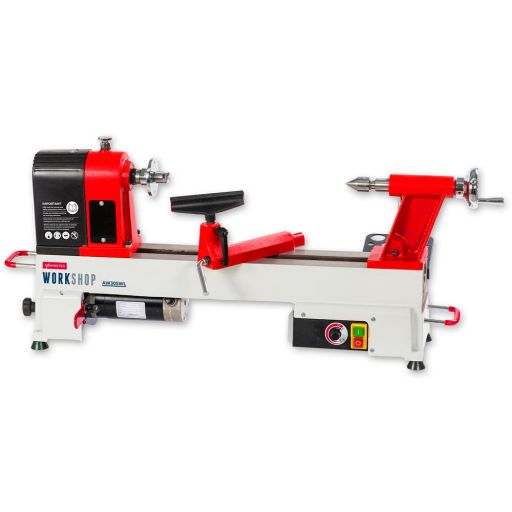
The lathe is the heart of your workshop. For beginners, a sturdy benchtop lathe is compact, reliable, and perfect for small bowls, spindles, and first projects. It's ideal for learning the basics and gaining confidence at the lathe.
Thinking about the future
If you plan to take on larger or more complex projects, a benchtop lathe can feel limiting. Investing in a mid-sized or full-sized Woodturning Lathe from the start gives you the ability to work on longer pieces and bigger shapes, allowing your skills and creativity to grow without the need for an upgrade.
Holding everything in place
Woodturning fitments, such as faceplates, drive centres and tailstocks, are small but vital parts that hold your workpiece securely. A good-quality revolving centre is especially important for early projects.
Why you need a chuck
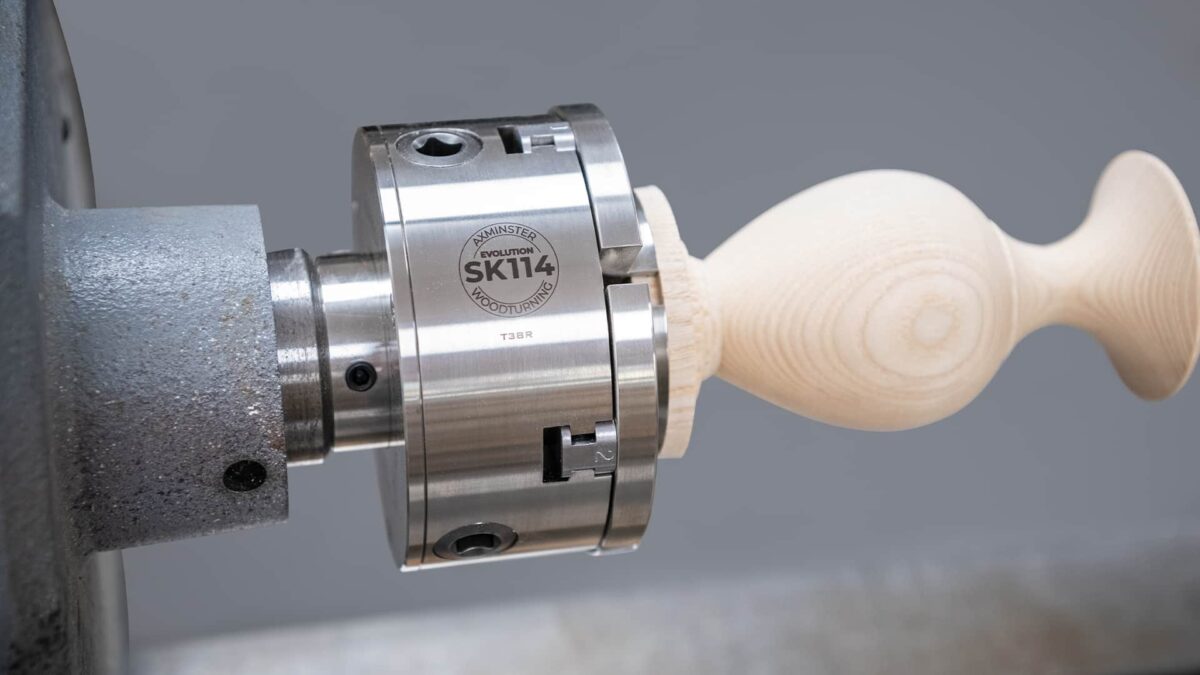
While you can spindle turn just between centres, a chuck quickly becomes essential. It holds your workpiece securely, making it easier and safer to shape bowls, hollow forms or irregular pieces. With a Woodturning Chuck, beginners gain greater control and can explore a wider range of projects from the start.
The core tool set
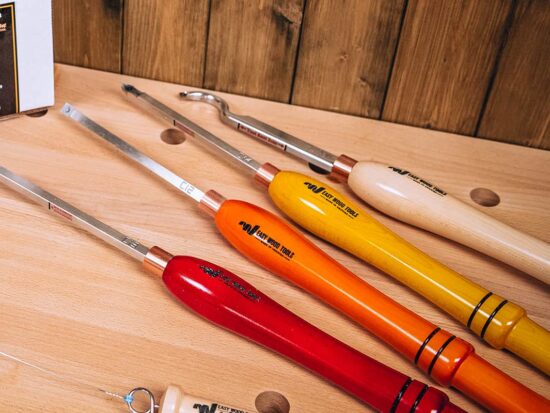
A carefully selected set of tools gives beginners everything needed to tackle a range of projects. With tools like a roughing gouge, spindle gouge, bowl gouge, skew chisel, parting tool, and scraper, a complete set helps you build skills, gain confidence, and achieve cleaner results from the start.
Tool sharpening
Keeping your tools sharp is essential for clean cuts, better control, and safer turning. A blunt tool can tear the wood rather than slice it, leading to rough finishes and increased risk of catches. Beginners should invest in a basic sharpening system—such as a bench grinder with appropriate jigs or a dedicated sharpening system—to maintain consistent bevel angles. Regular honing with a diamond file or slipstone between grindings helps preserve edge quality and reduces the need for frequent regrinding. Learning to sharpen properly is just as important as learning to turn.
Your first blanks
Pre-cut bowl blanks, spindle blanks and project blanks save time and let you focus on turning rather than preparing raw timber. They're consistent, reliable, and perfect for learning tool control.
Staying safe at the lathe
A turning smock protects you by keeping loose clothing away from the spinning lathe while shielding you from flying shavings and dust. A respirator safeguards your lungs from fine wood particles, and a full-face shield provides crucial protection against chips and debris, keeping you safe and confident as you focus on your turning.
Top picks for beginners
-

SALE
Axminster Workshop AD305WL Woodturning Lathe - 230VSpecial Price £314.99 £262.49 was £349.98 £291.65 Save £34.99 £29.16 -

SALE
Easy Wood Tools Easy Start 3 Piece SetSpecial Price £180.48 £150.40 was £189.98 £158.32 Save £9.50 £7.92 -

 Axminster Woodturning Evolution SK114 Chuck - M33 x 3.5mm UniversalFrom £259.98 £216.65
 -
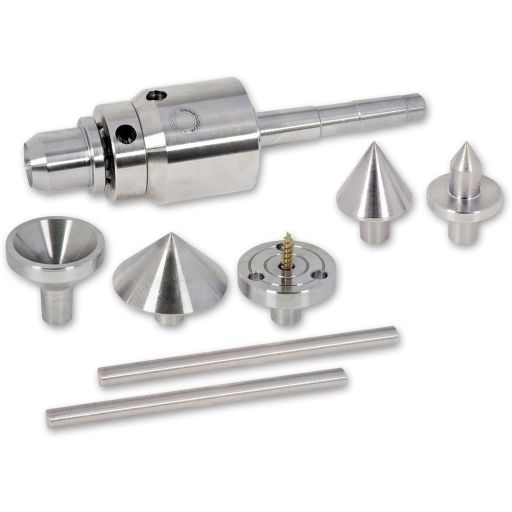 Axminster Multi-Head Live Revolving Centre & Additional Tips - 1MTFrom £84.98 £70.82
Learning from the experts
The quickest way to grow your skills is to learn from experienced turners. Our Woodturning for Beginners course is designed to take you from understanding your lathe to finishing your first project. Taught by expert tutors, it covers tool selection, safety, and hands-on turning techniques in a supportive learning environment.

Step 2: Growing your skills – adding flexibility and finishing touches
Chuck jaws for control versatility
Interchangeable chuck jaws grip a variety of workpieces securely, from delicate spindles to larger bowls. They let you switch projects easily, maintain a smooth workflow, and achieve precise, professional results as your woodturning skills grow.
Kits for quick wins
Pen and pencil kits, bottle stoppers, and pepper mill kits let you create practical projects straight away. They're fun, quick wins that also make excellent gifts.
Sanding and smoothing
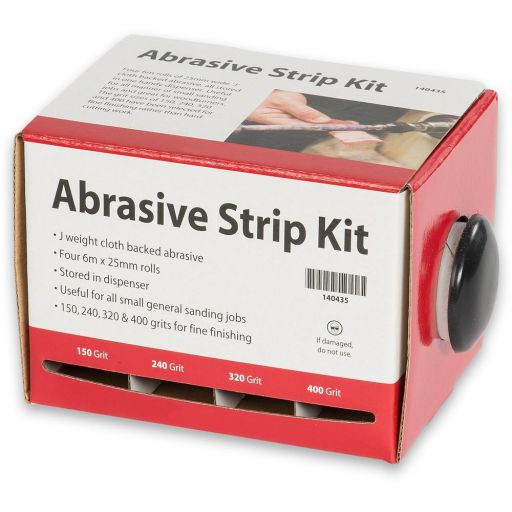
A range of abrasives - from coarse to fine grits - helps you refine tool marks and create a smooth surface. Keep sheets, rolls, or discs handy for finishing.
Bringing out the grain
Oils, waxes, and friction polishes are beginner-friendly ways to highlight the beauty of the timber and protect your work. Experimenting with finishes is a great way to learn how wood responds.
Favourites for expanding skills
-


New
Axminster Woodturning GK88 Dovetail Jaws - Type CFrom £39.28 £32.73 -
 DuraClick EDC Pen Kit - 303 Stainless SteelFrom £23.48 £19.57 From £19.96
 -
 Chestnut Finishing Oil - 500mlFrom £12.18 £10.15
 -
SALE
Axminster Abrasive Strip KitSpecial Price £9.89 £8.24 was £10.98 £9.15 Save £1.09 £0.91
Experimenting with the pros
Looking for inspiration? Our free project guides offer step-by-step instructions for turning pens, bowls, bottle stoppers, and more. These are perfect for beginners and hobbyists alike.

Step 3: Exploring new possibilities – mastering more shapes
Enhancing your lathe setup
If you opted for a lathe that can grow with you, now is the time to take advantage of its full potential. Lathe accessories like steady rests, larger tool rests, and bed extensions let you tackle bigger projects, try new techniques and explore more complex shapes. Planning for these upgrades from the start ensures your lathe evolves alongside your skills.
Growing your tool set
Even with a complete starter set, adding specialised tools - like scrapers for fine detail, hollowing tools, larger gouges or miniature tools - opens up new project possibilities. These additions let you tackle more complex shapes, experiment with different techniques, and continue developing precision and confidence at the lathe.
Top tools for new challenges
-
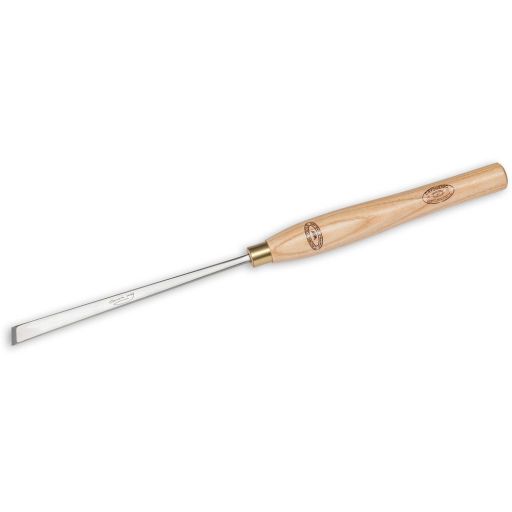 Crown Cryo Colwin Way Signature Skew Chisel - 12mmFrom £54.58 £45.48
 -
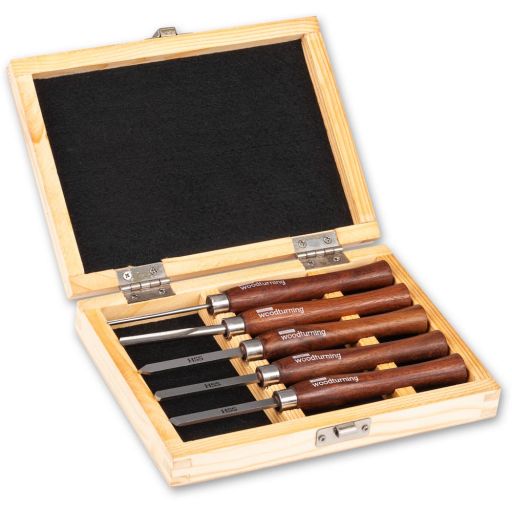 Axminster Woodturning Miniature Tool SetFrom £49.98 £41.65
Ongoing advice, tips, and tutorials
Discover the Woodworking Wisdom Blog, your go-to source for expert insights, tool reviews, and practical guidance. Packed with step-by-step tutorials and ideas, it helps you explore new techniques, tackle projects with confidence, and get the most out of your workshop.

Final thoughts on beginner's Woodturning Tools
Start simple, stay safe, and enjoy the process. With a solid lathe, a small set of quality tools, and the right safety gear, you’ll be ready to shape your first projects. From there, build your collection gradually - each new tool, chuck, or accessory opens up fresh possibilities. Most importantly, remember that woodturning is as much about the journey as the finished piece - every shaving and every project takes you one step further in the craft.

Get in touch!
If you're looking to buy beginners woodturning tools, or have recently bought some, we'd love to hear from you. Comment below or send us a photograph and tell us all about what you've been up to, or what you've bought.
Alternatively, get in touch via our social media platforms. Find us on Facebook or Instagram.
Email Updates
Not part of our Email Updates yet? Sign up for FREE to receive exclusive offers, new product launches and woodworking content tailored to your individual likes and interests.