Earn Points & Save Pounds
Easy Wood Tools Buyer’s Guide
Micro, Mini, Easy Start, Mid‑Size, Full‑Size and Pro - what’s the difference?
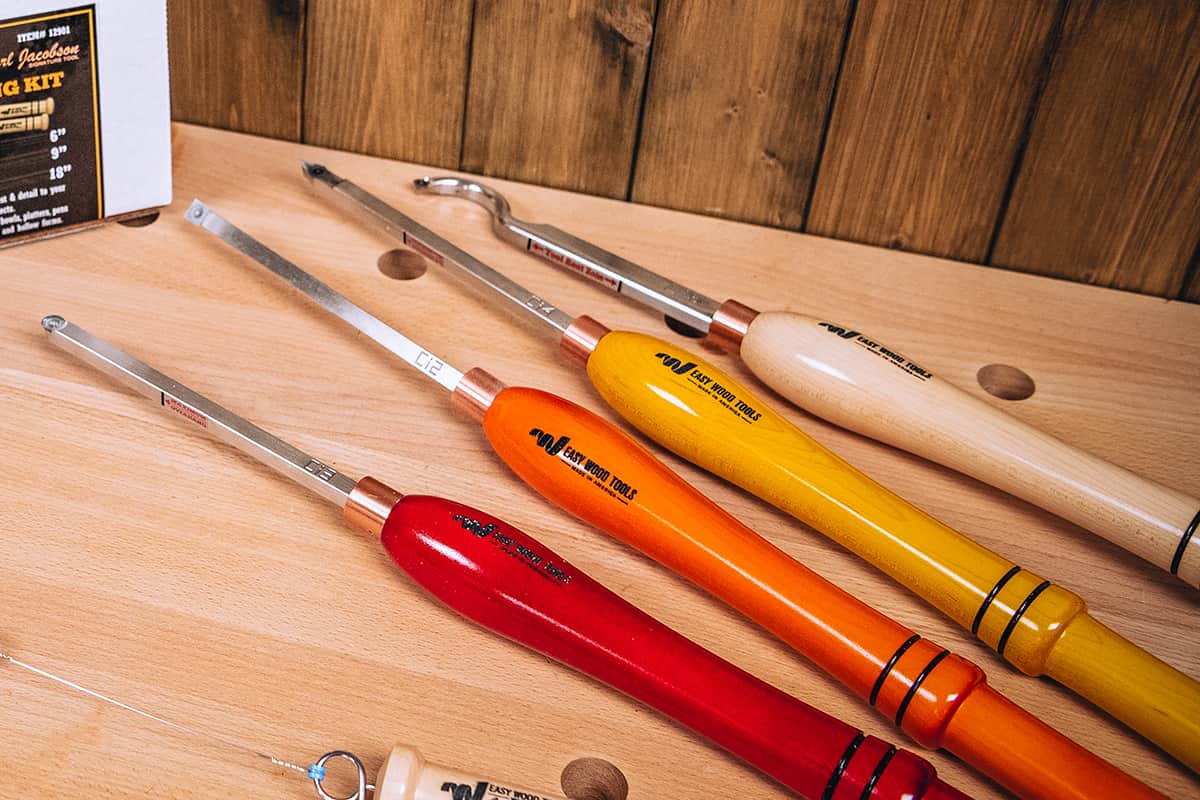
This Easy Wood Tools buyer’s guide explains the differences between the Micro, Mini, Easy Start, Mid‑Size, Full‑Size and Pro ranges, helping you choose the right tools for your turning projects. Easy Wood Tools have changed how many people approach woodturning. With replaceable carbide cutters, flat tool bars, and no need for sharpening, they remove much of the complexity that often slows progress at the lathe.
However, Easy Wood Tools aren’t a single tool or even a single range. They are a system, made up of six distinct ranges, each designed around project scale, reach, and control rather than skill level alone.
This buyer’s guide explains the real differences between the Easy Wood Tools ranges, how they relate to one another, and which one is best suited to the work you want to do.
What all Easy Wood Tools have in common
Before comparing the ranges, it’s useful to understand the design principles that apply across the entire Easy Wood Tools system:
- Replaceable carbide cutters that rotate to a fresh edge
- No sharpening required, reducing downtime and setup complexity
- Flat, square, or rectangular bars that sit securely on the tool rest
- A cutting approach that prioritises predictable control and safety
- Tools designed to help turners focus on technique and form, not maintenance
The differences between the ranges are not about quality - they are about scale.
Easy Wood Tools ranges at a glance
Range |
Primary focus |
Tool scale |
Typical use |
|---|---|---|---|
| Micro | Ultra‑fine detail | Very small | Decorative detailing |
| Mini | Small projects | Compact | Light bowls, ornaments |
| Easy Start | Learning & education | Short‑handled | Pens, beginner projects |
| Mid‑Size | Everyday versatility | Medium | Bowls, boxes, platters |
| Full‑Size | Large‑scale turning | Long‑handled | Large bowls, spindles |
| Pro | Deep hollowing & heavy work | Extra‑long | Hollow forms, sculpture |
Micro range - specialist tools for ultra‑fine detail
Best for:
Fine detailing, decorative accents, and precision work.
The Micro range is designed specifically for very small cutting actions. These tools excel at producing delicate beads, fine coves, and subtle texture where accuracy matters more than power.
They are not intended for roughing or shaping large forms and are best viewed as specialist tools used alongside another Easy Wood Tools range.
Typical work includes:
- Fine decorative details
- Small beads and accent lines
- Texture and precision finishing
If your turning regularly includes detailed embellishment, Micro tools are invaluable.

-
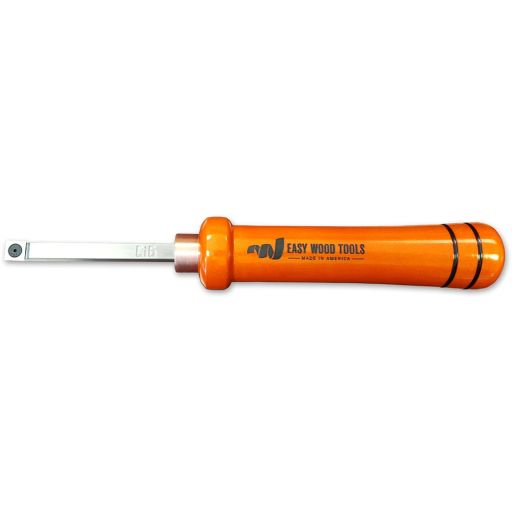 Easy Wood Tools Micro EASY ROUGHER™From £90.68 £75.57
 -
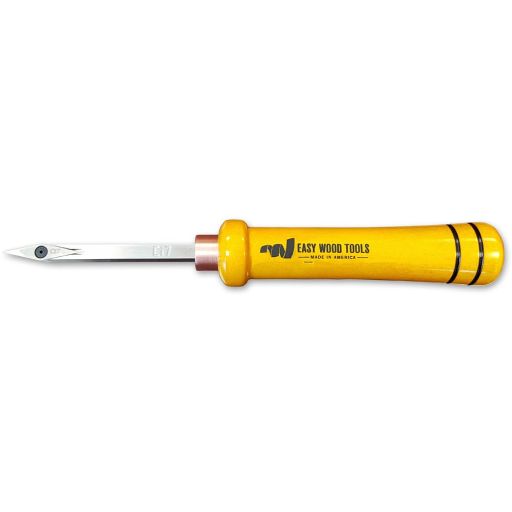 Easy Wood Tools Micro EASY DETAILER™From £90.68 £75.57
 -
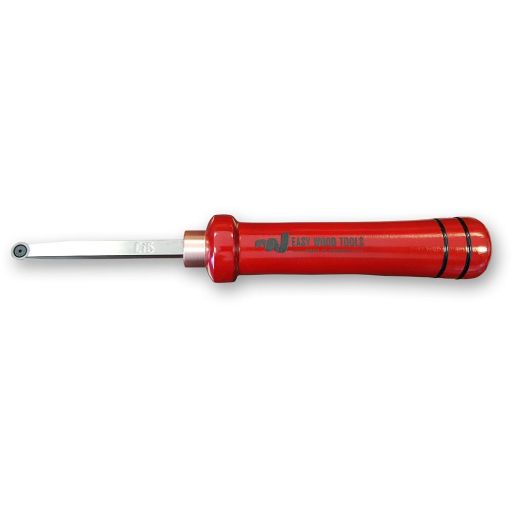 Easy Wood Tools Micro EASY FINISHER™From £90.68 £75.57
 -
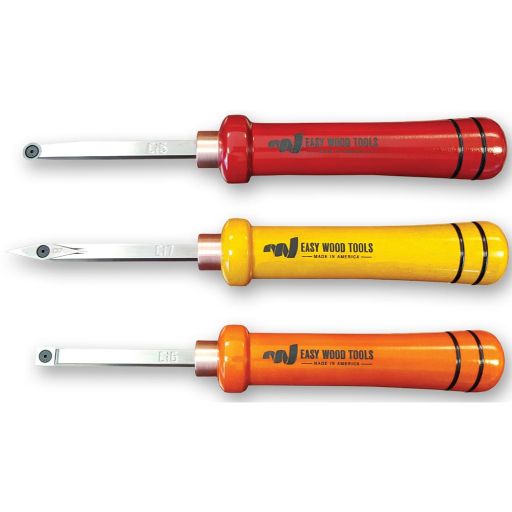 Easy Wood Tools Easy Micro Tools™ 3-Piece SetFrom £227.58 £189.65
Mini range - compact tools for small projects
Best for:
Smaller workpieces where compact tools feel more comfortable.
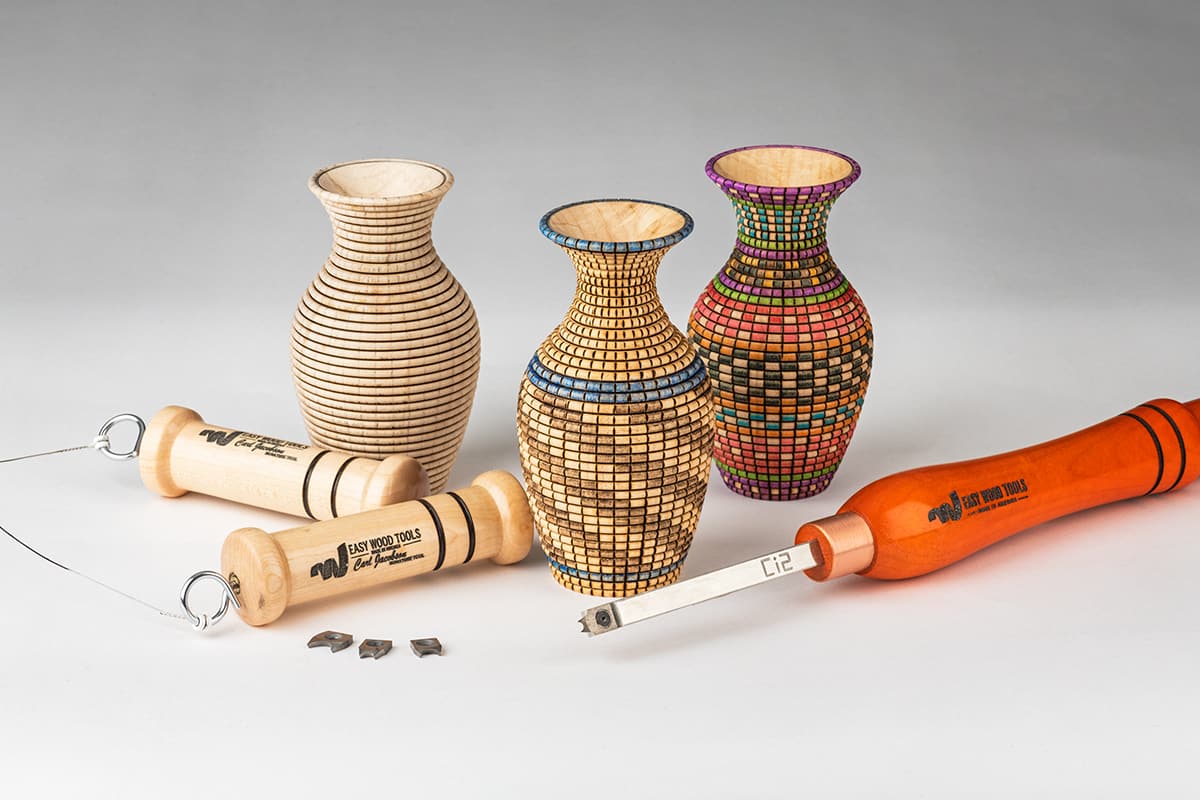
The Mini range sits between the Micro and Easy Start tools. They offer more substance than Micro tools, while remaining light and compact in the hand.
Mini tools suit turners who enjoy:
- Smaller bowls
- Ornaments
- Craft and decorative turning
They are also useful where space is limited or when lighter tools are preferred.
-
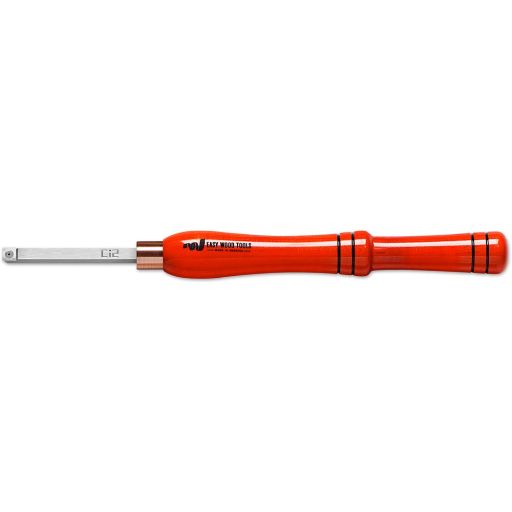 Easy Wood Tools Mini EASY ROUGHER™From £96.88 £80.73
 -
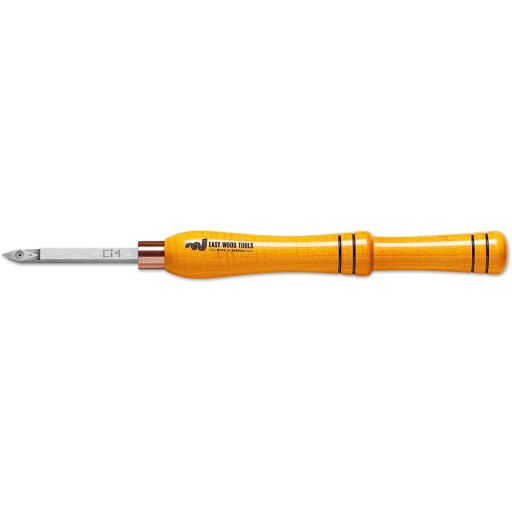 Easy Wood Tools Mini EASY DETAILER™From £97.58 £81.32
 -
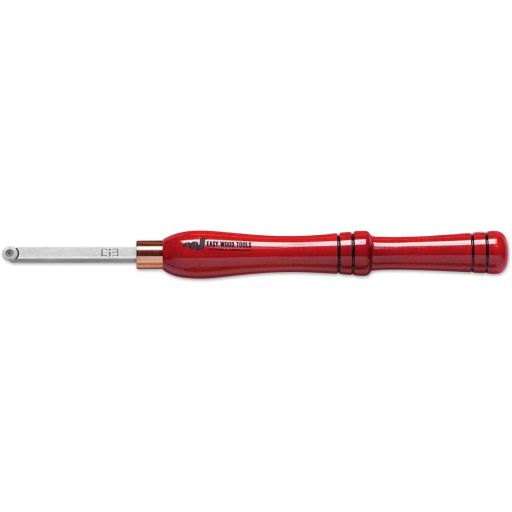 Easy Wood Tools Mini EASY FINISHER™From £96.88 £80.73
Easy Start range - designed for learning
Best for:
New turners, pen turning, and structured learning environments.
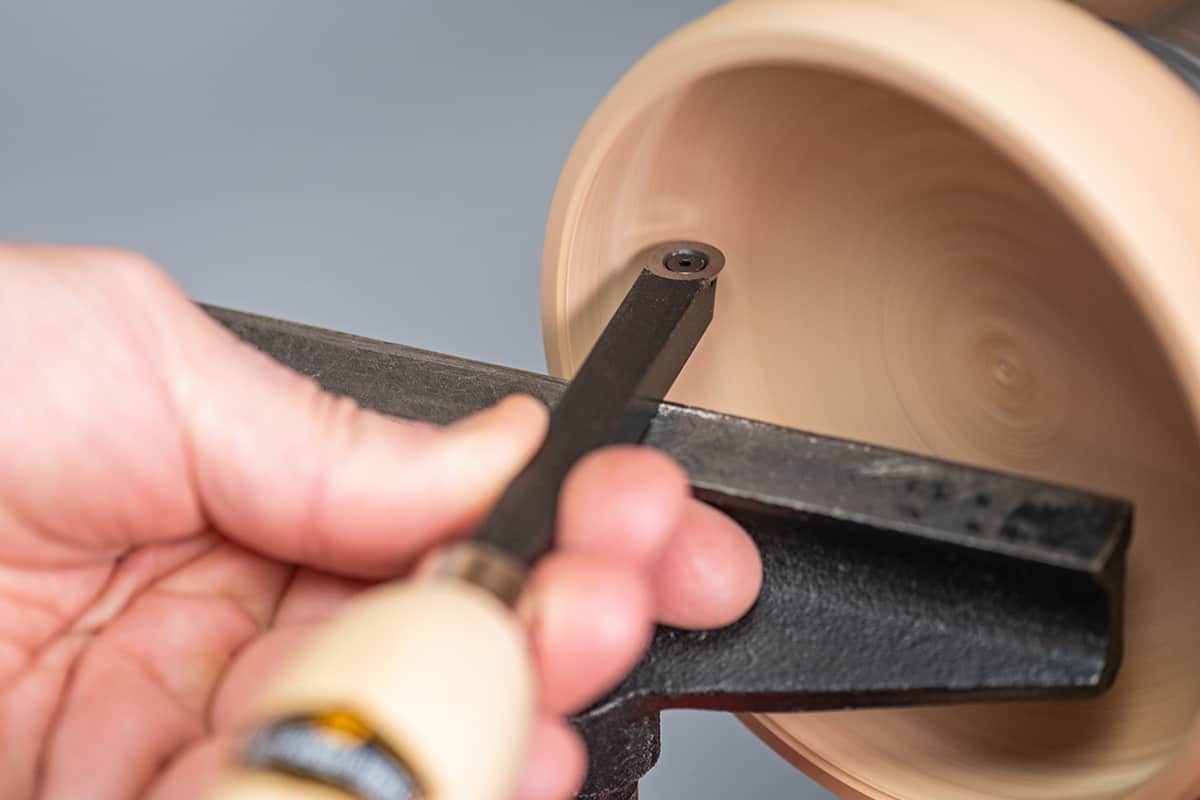
The Easy Start range is built to remove as many early barriers as possible. Shorter handles and a manageable tool size help new turners develop confidence without feeling overwhelmed.
With no sharpening required, learning focuses on:
- Tool presentation
- Safe cutting direction
- Building muscle memory and control
Typical projects include:
- Pens
- Bottle stoppers
- Small bowls and practice forms
This range is ideal for anyone learning woodturning fundamentals or teaching others.
-
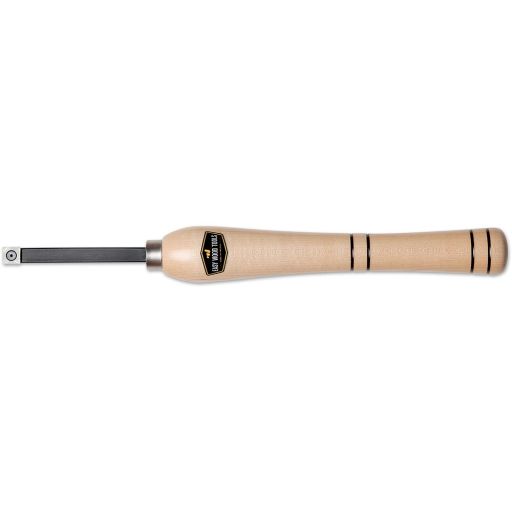 Easy Wood Tools Easy Start EASY ROUGHER™From £63.48 £52.90
 -
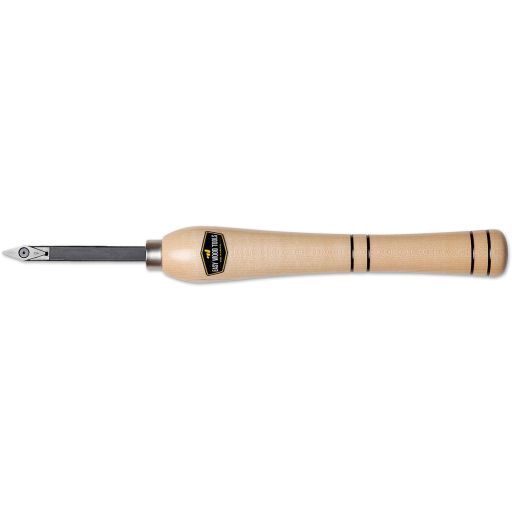 Easy Wood Tools Easy Start EASY DETAILER™From £63.48 £52.90
 -
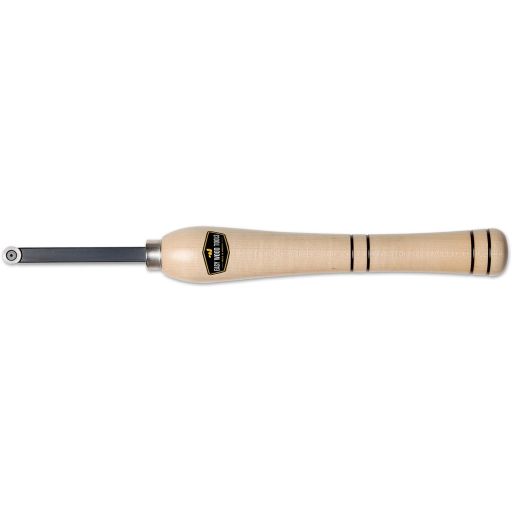 Easy Wood Tools Easy Start EASY FINISHER™From £63.48 £52.90
 -
 Easy Wood Tools Easy Start 3 Piece SetFrom £189.98 £158.32
Mid‑Size range - the most versatile option
Best for:
All‑round turning across a wide range of projects.
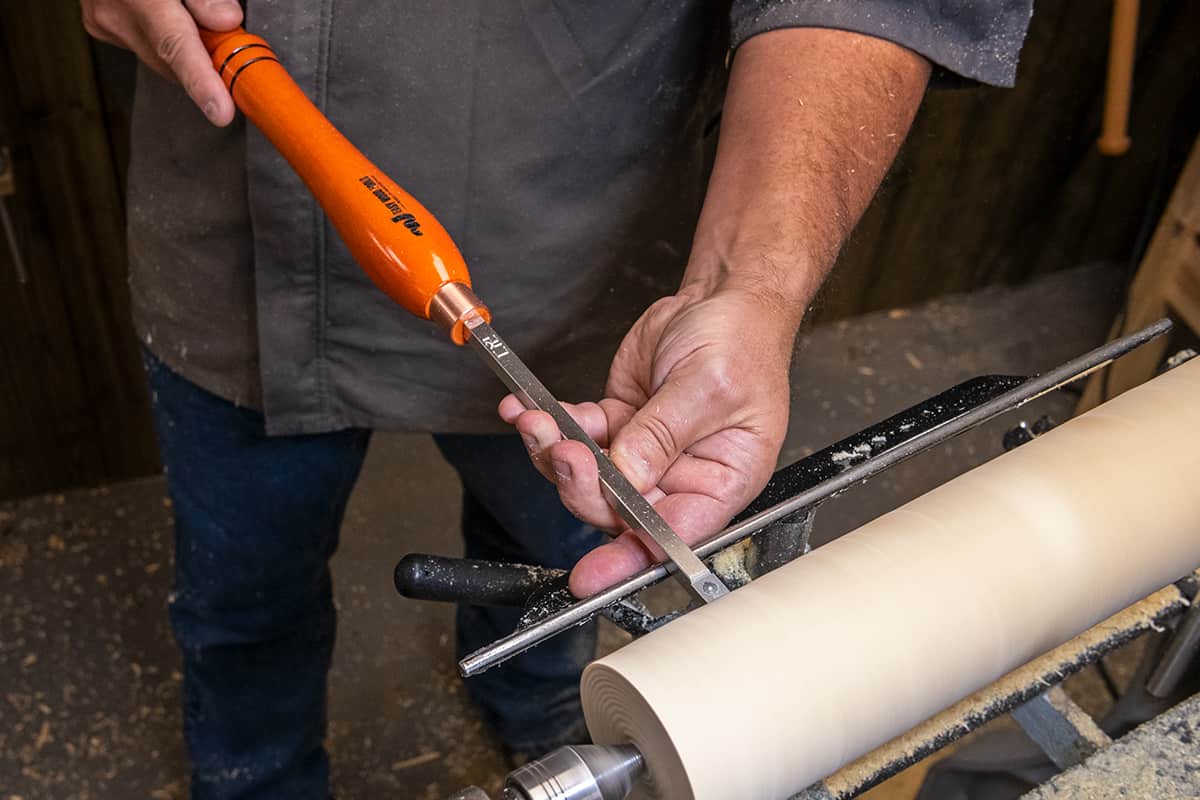
The Mid‑Size range is often described as the sweet spot. With longer handles and greater mass than Easy Start tools, they feel stable and well‑balanced on medium‑sized work.
These tools comfortably handle:
- Bowl and platter turning
- Decorative boxes
- General spindle work
If you want one range that covers most everyday turning tasks, Mid‑Size tools are the most adaptable choice.
-
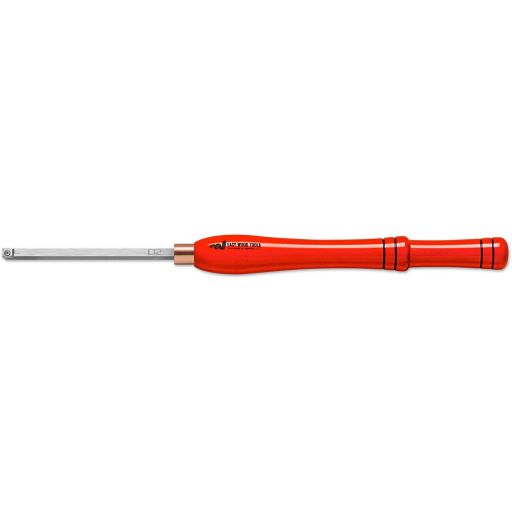 Easy Wood Tools Mid-Size EASY ROUGHER™From £115.38 £96.15
 -
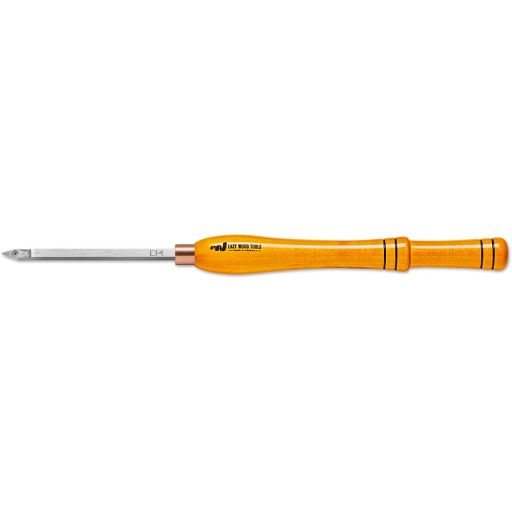 Easy Wood Tools Mid-Size EASY DETAILER™From £119.18 £99.32
 -
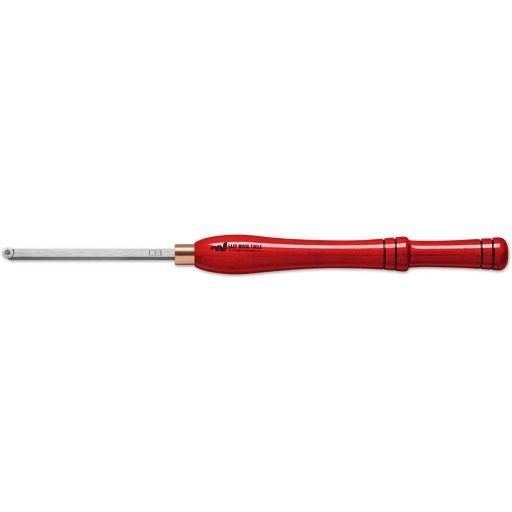 Easy Wood Tools Mid-Size EASY FINISHER™From £117.48 £97.90
 -
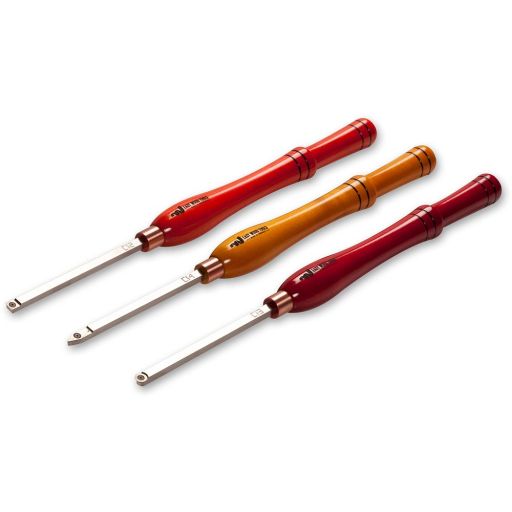 Easy Wood Tools Mid-Size Easy Turning™ Set 3-PieceFrom £299.98 £249.98
Full‑Size range - more leverage for larger work
Best for:
Larger blanks, heavier cuts, and long spindles.
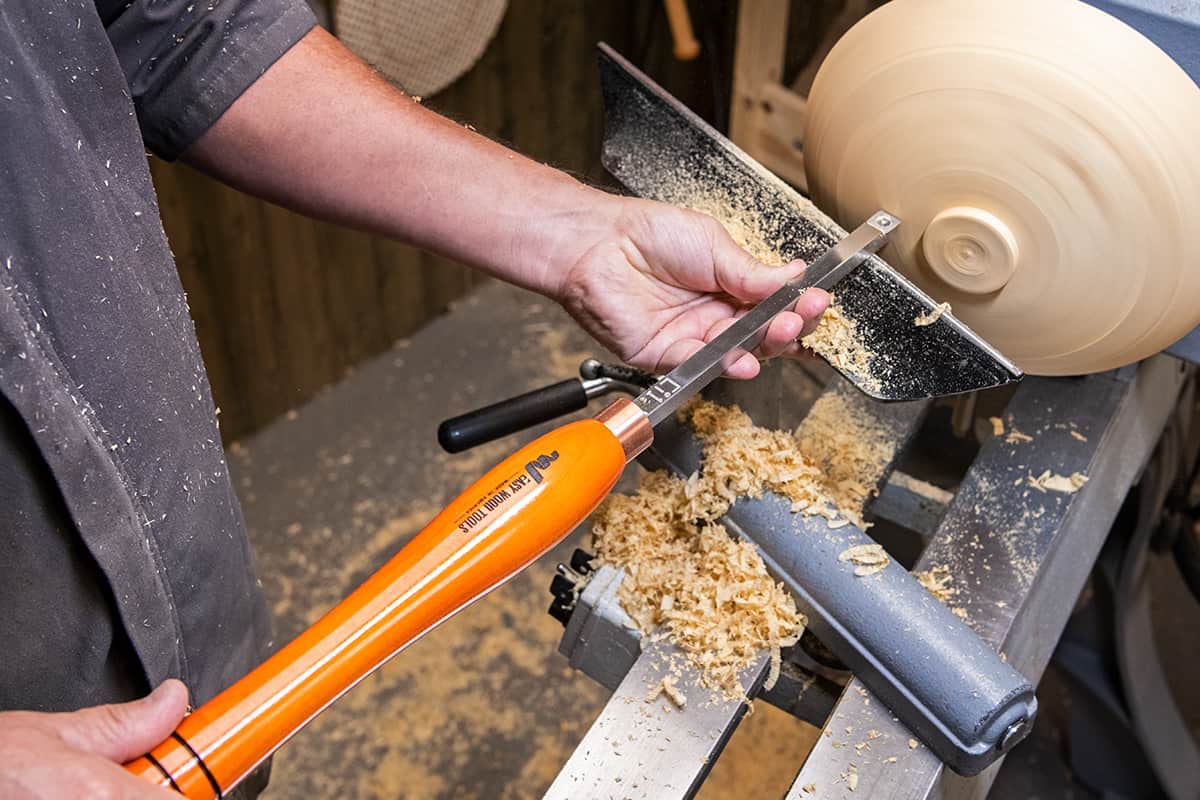
The Full‑Size range increases handle length and tool mass to improve stability when working at scale. The added leverage helps reduce vibration and makes material removal more controlled on larger pieces.
Well suited to:
- Large bowls and platters
- Table legs and furniture spindles
- Denser or more challenging timbers
If your projects are regularly pushing beyond mid‑sized work, Full‑Size tools offer greater control and comfort.
-
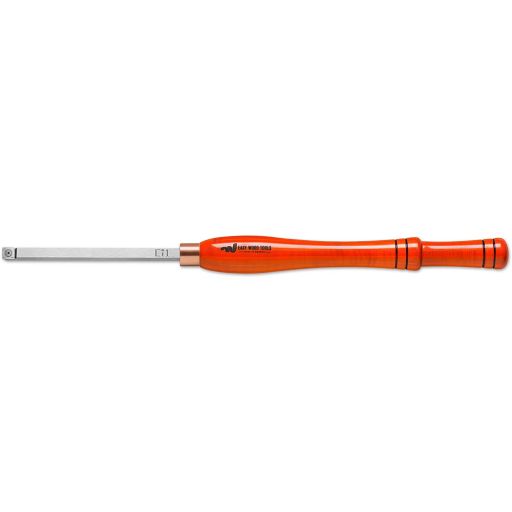 Easy Wood Tools Full-Size EASY ROUGHER™From £129.98 £108.32
 -
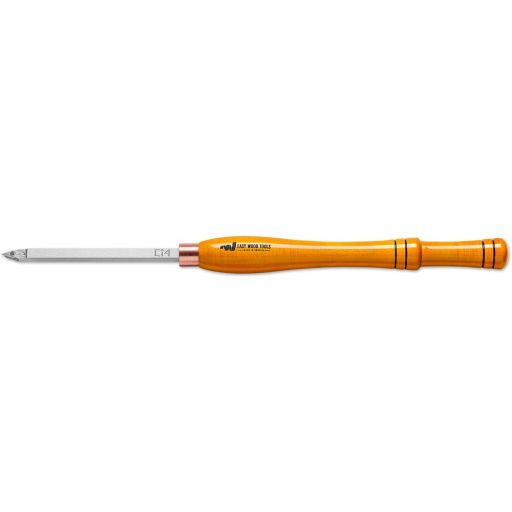 Easy Wood Tools Full-Size EASY DETAILER™From £138.88 £115.73
 -
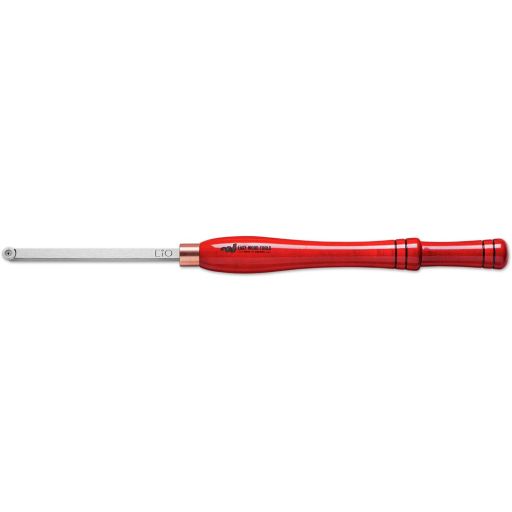 Easy Wood Tools Full-Size EASY FINISHER™From £129.98 £108.32
 -
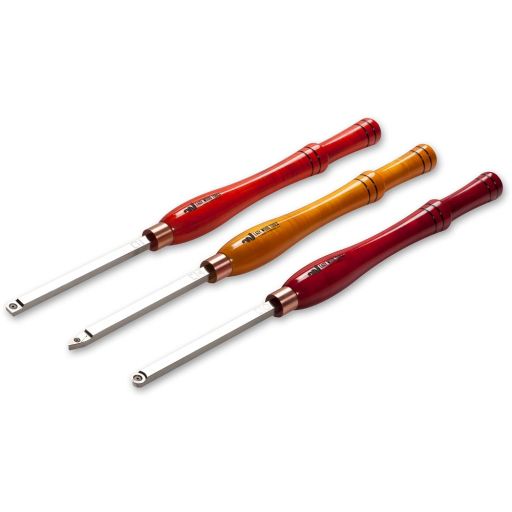 Easy Wood Tools Full-Size Easy Turning™ Set 3-PieceFrom £359.98 £299.98
Pro range - maximum reach, rigidity, and control
Best for:
Deep hollowing, large sculptural forms, and extended turning sessions.
The Pro range represents the largest and most robust tools in the Easy Wood lineup. Extra‑long handles provide leverage and balance, while the rectangular shafts used on Pro hollowers add exceptional rigidity.
This range is designed for demanding work where stability is critical:
- Deep hollow forms and vessels
- Sculptural turning
- Large‑scale projects requiring long reach
Pro tools are built to perform consistently during long sessions at the lathe.
-
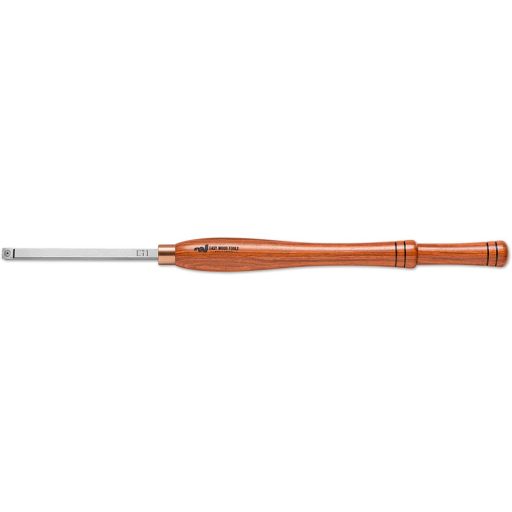 Easy Wood Tools Pro EASY ROUGHER™From £152.58 £127.15
 -
 Easy Wood Tools Pro EASY DETAILER™From £149.98 £124.98
 -
 Easy Wood Tools Pro EASY FINISHER™From £149.98 £124.98
Understanding the Easy Wood Hollowers (1-2-3 system)
Easy Wood hollowing tools are designed to work as a progressive 1‑2‑3 system, allowing you to hollow safely and predictably from just under the rim to deep, unseen cavities:
- Hollower #1 – removes the bulk of interior waste
- Hollower #2 – refines and shapes the internal profile
- Hollower #3 – reaches deep cavities for final refinement
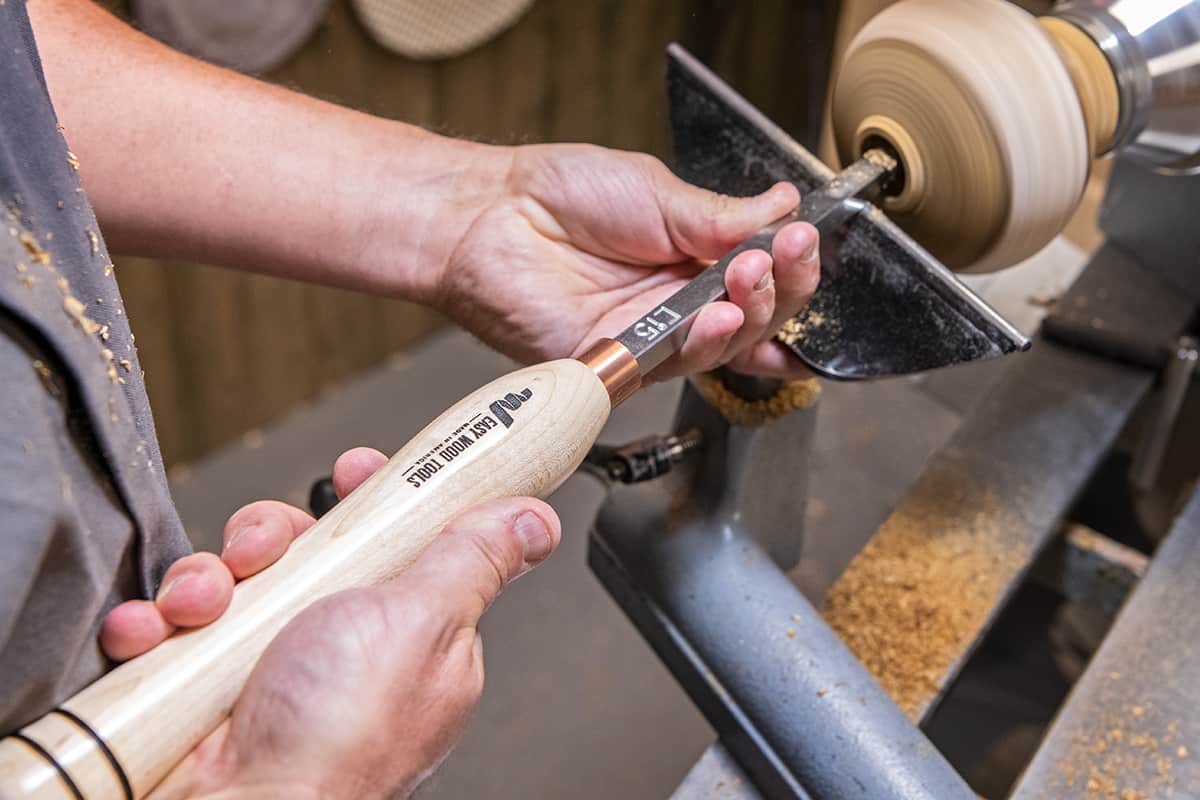
Easy Wood hollowers are available in three tool ranges, each suited to different project scales:
- Mini hollowers are ideal for smaller hollow forms and compact vessels
- Mid‑Size hollowers suit medium hollow forms and everyday bowl hollowing
- Pro hollowers offer increased reach, stiffness, and leverage for deep hollow forms and large vessels
All three ranges follow the same 1‑2‑3 approach, making it easier to choose the right hollowers based on the size and depth of the work rather than changing technique.
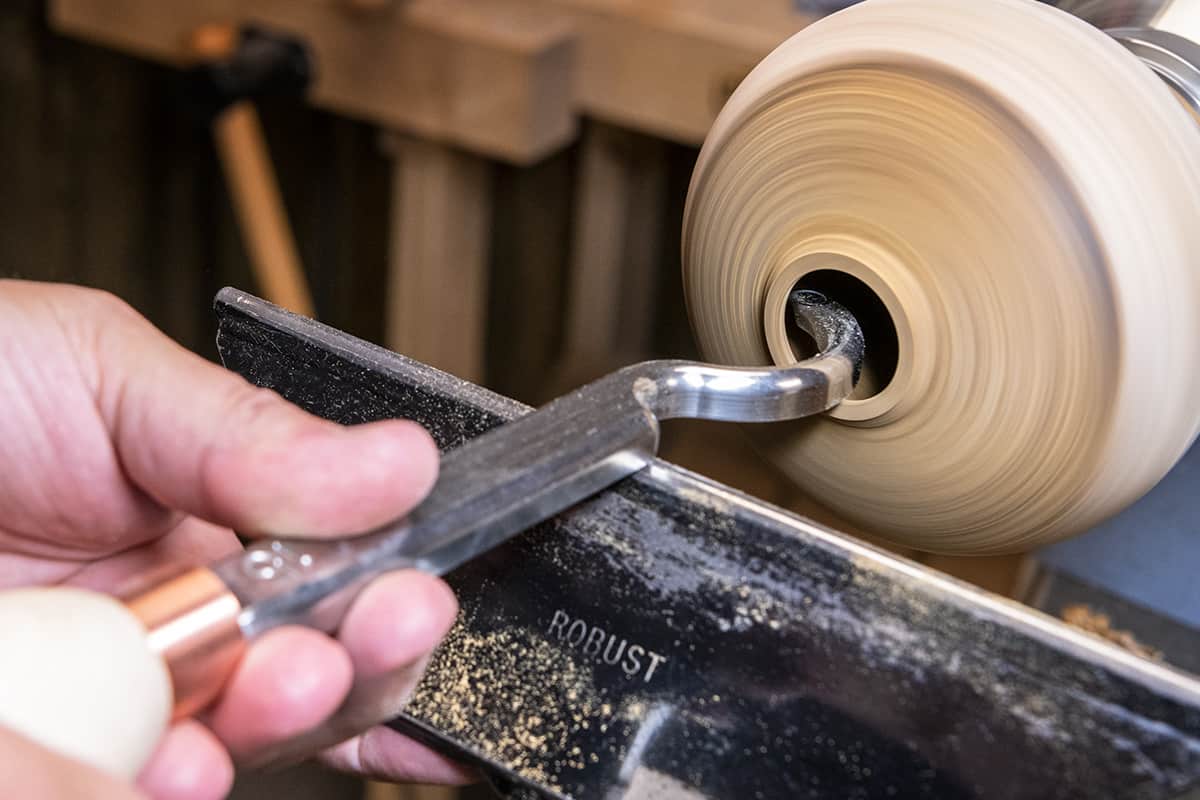
-
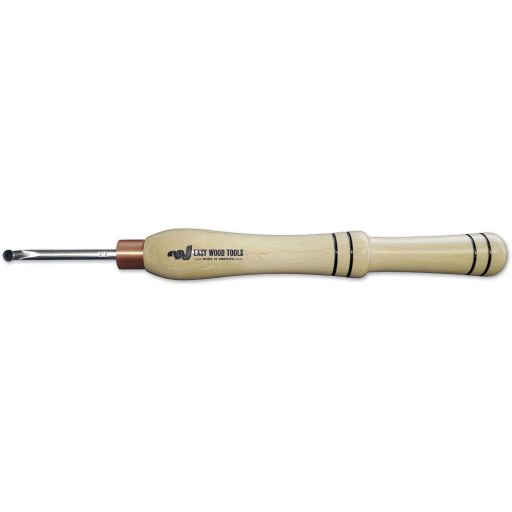 Easy Wood Tools Mini EASY HOLLOWER™ #1From £104.98 £87.48
 -
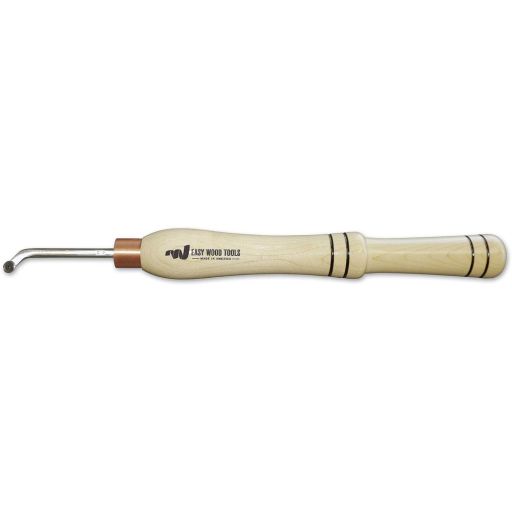 Easy Wood Tools Mini EASY HOLLOWER™ #2From £108.78 £90.65
 -
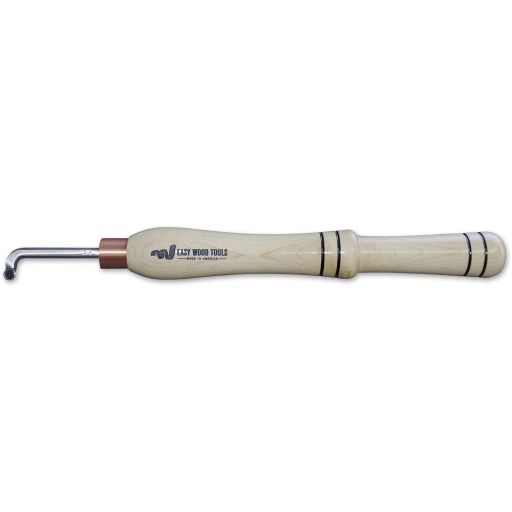 Easy Wood Tools Mini EASY HOLLOWER™ #3From £108.78 £90.65
 -
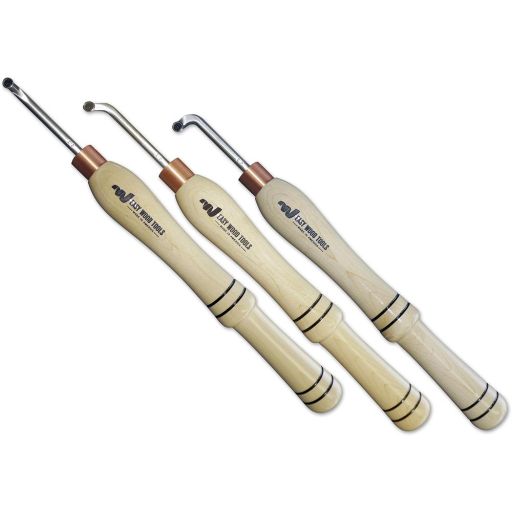 Easy Wood Tools Mini Easy Hollowing™ Set 3-PieceFrom £284.98 £237.48
-
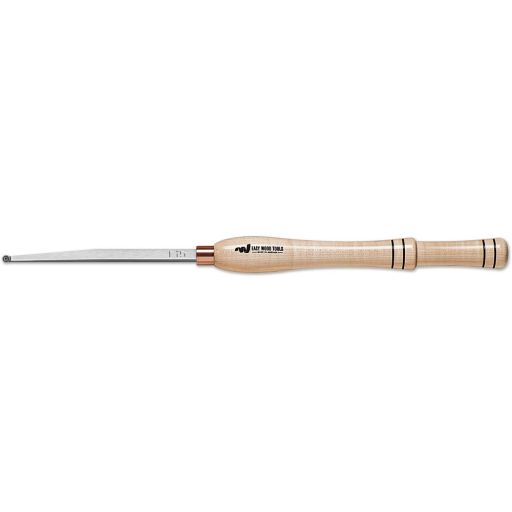 Easy Wood Tools Mid-Size EASY HOLLOWER™ #1From £138.18 £115.15
 -
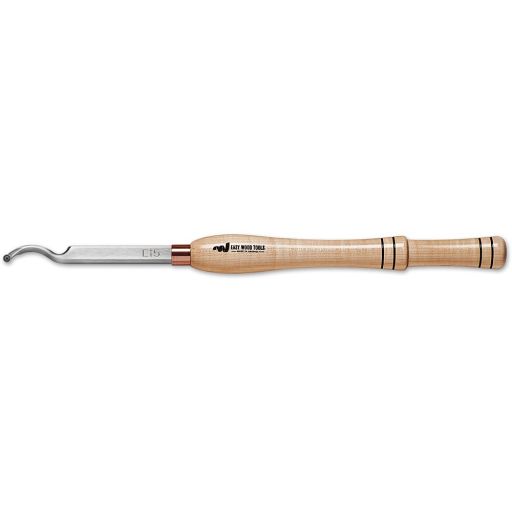 Easy Wood Tools Mid-Size EASY HOLLOWER™ #2From £148.78 £123.98
 -
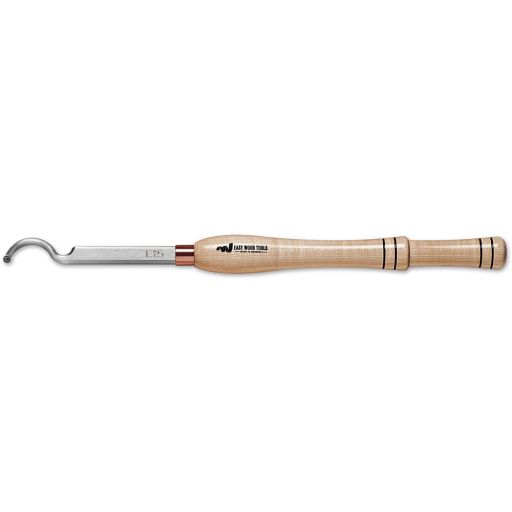 Easy Wood Tools Mid-Size EASY HOLLOWER™ #3From £148.78 £123.98
 -
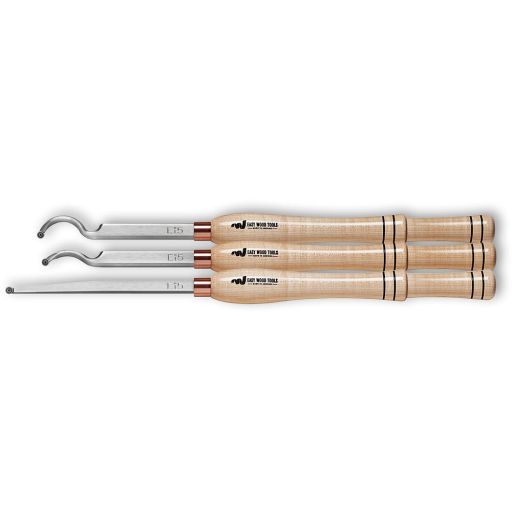 Easy Wood Tools Mid-Size Easy Hollowing™ Set 3-PieceFrom £399.98 £333.32
-
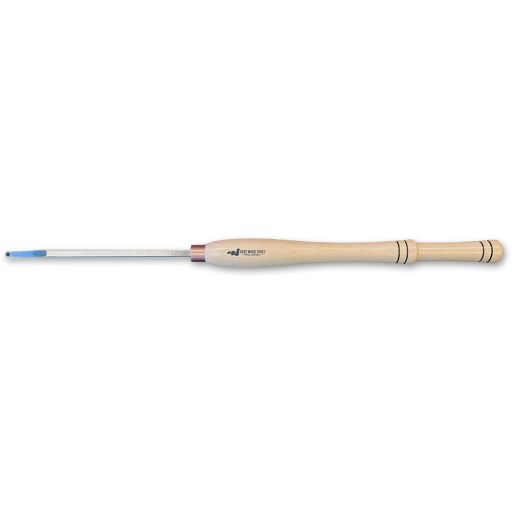 Easy Wood Tools Pro EASY HOLLOWER™ #1From £179.98 £149.98
 -
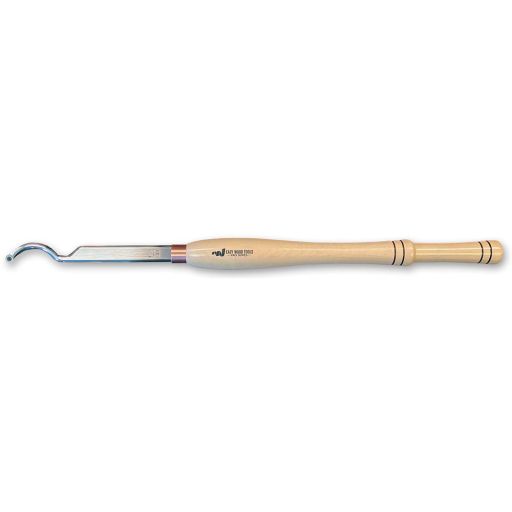 Easy Wood Tools Pro EASY HOLLOWER™ #2From £209.98 £174.98
 -
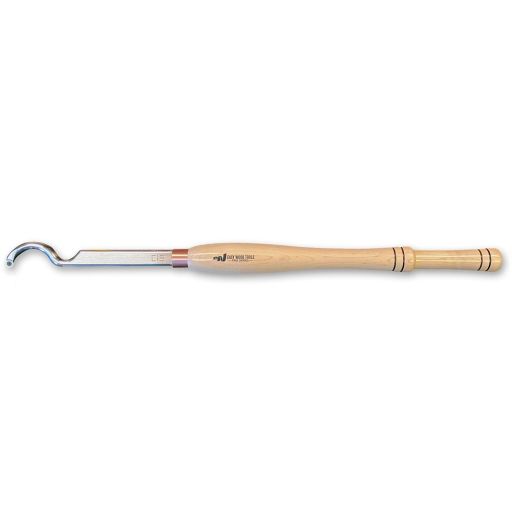 Easy Wood Tools Pro EASY HOLLOWER™ #3From £209.98 £174.98
Which Easy Wood Tools range should you choose?
- Choose Micro if your focus is fine, decorative detail
- Choose Mini if you enjoy small projects and compact tools
- Choose Easy Start if you are learning or teaching woodturning
- Choose Mid‑Size if you want one range to handle most projects
- Choose Full‑Size if you regularly turn large bowls or long spindles
- Choose Pro if you hollow deep forms or work at large scale
Many turners use more than one range, selecting tools based on the demands of each project rather than sticking to a single size.
At-a-glance comparison
In simple terms, Easy Wood Tools ranges scale by project size and reach rather than experience level:
Micro and Mini tools focus on precision and small work, Easy Start simplifies learning, Mid‑Size offers everyday versatility, Full‑Size adds leverage for bigger projects, and Pro tools deliver maximum rigidity and depth control.
Easy Wood Tools - Frequently Asked Questions
What are the differences between the Easy Wood Tools ranges?
The differences are based on tool size, handle length, bar design, and project scale. Micro tools are for ultra‑fine detail, Mini tools suit small projects, Easy Start supports learning, Mid‑Size tools are versatile all‑rounders, Full‑Size tools handle larger turning work, and Pro tools offer maximum reach and rigidity for deep hollowing.
Which Easy Wood Tools range is best for beginners?
The Easy Start range is best for beginners because its compact design and replaceable carbide cutters make it easier to learn tool control without sharpening.
Are Micro tools suitable for general turning?
No. Micro tools are designed specifically for ultra‑fine detailing and are best used alongside another Easy Wood Tools range.
What’s the difference between Mid‑Size and Full‑Size tools?
Mid‑Size tools are designed for everyday projects such as bowls and boxes, while Full‑Size tools provide extra length and weight for large bowls, platters, and spindles.
How do Pro hollowers differ from Mid‑Size hollowers?
Pro hollowers are larger, with longer handles and rectangular shafts that deliver greater rigidity, reduced vibration, and increased reach for deep hollow forms.
Can Easy Wood Tools ranges be mixed?
Yes. Many turners mix ranges, using Mid‑Size tools for general work and adding Micro or Pro tools for specialised tasks.
Final thoughts
This Easy Wood Tools buyer’s guide brings together the differences between each range to help you choose tools that suit the way you like to turn. Every Easy Wood range follows the same principle: easy control, consistent cutting, and less time spent maintaining tools. The key difference between ranges is not quality, but scale and purpose.
Choosing the right range for your work will make turning more controlled, more enjoyable, and more productive, whether you’re shaping your first pen or hollowing a large sculptural vessel.