Earn Points & Save Pounds
Hand Tool Maintenance | Extend The Life Of Your Hand Tools
Hand tools are the backbone of any workshop – whether you’re a DIYer, green woodworking enthusiast, cabinetmaker or tradesperson. With proper care, these tools can last not just years, but generations. Well‑maintained tools are safer, smoother, more accurate, and far more enjoyable to work with.
This guide walks you through general hand tool care principles, followed by detailed category-by-category maintenance to ensure you get the most from your hand tools, for as long as possible.
General Hand Tool Maintenance
Keep tools clean
After each session, brush away dust, wipe down metal parts, and remove sap or resin from green woodworking tools. A quick clean prevents rust and preserves cutting edges.
Protect against rust
- Apply a light film of camellia oil, wax, or Axminster Tool and Machine Wax to bare metal
- Store tools in a dry cabinet or chest; silica gel packs help too
Maintain sharp edges
- Dull tools require more force, slip more easily, and give worse results
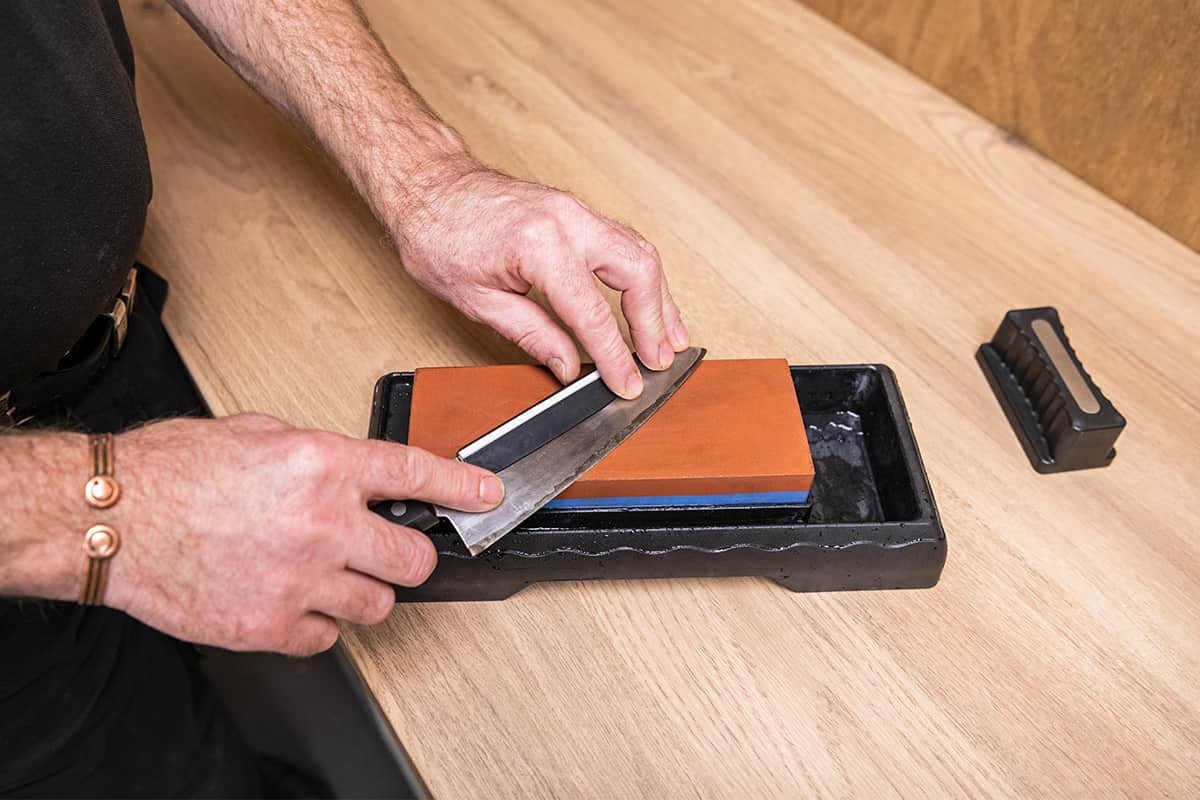
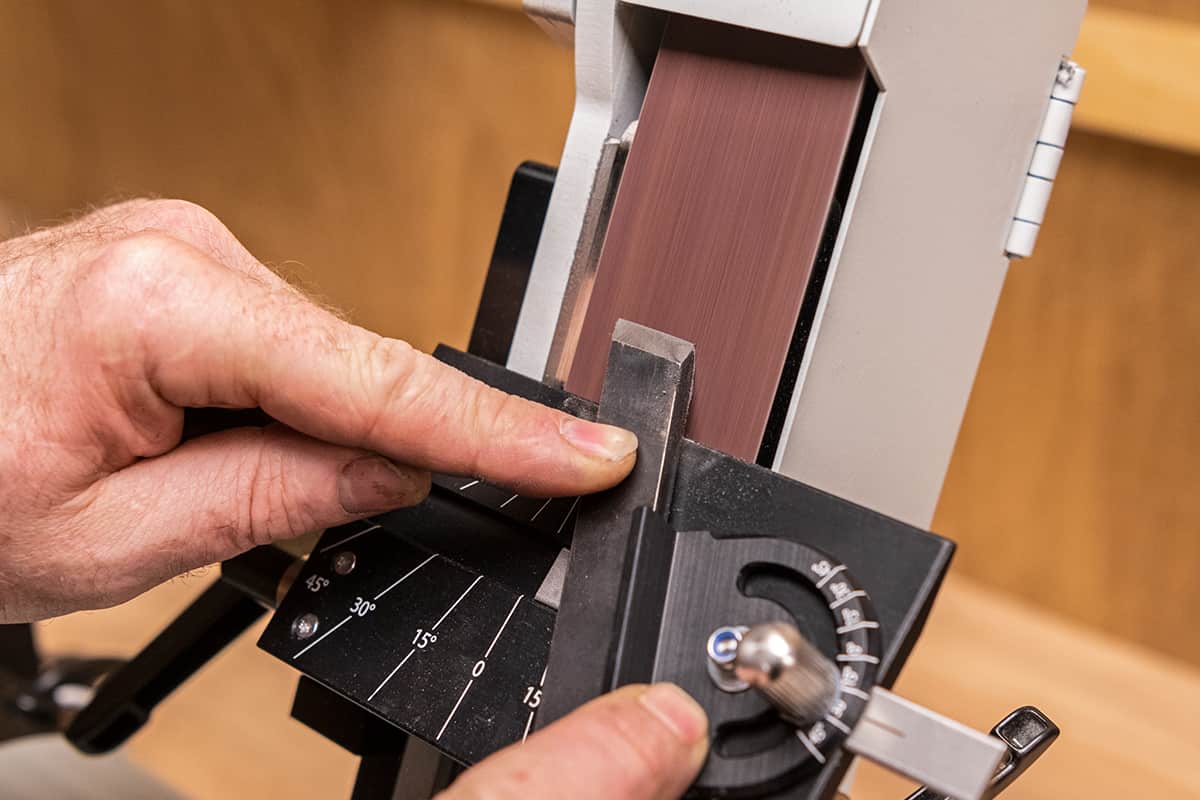
- Use stones, strops, or abrasives appropriate for each tool type
Check handles and fastenings
- Wooden handles should be crack‑free and firmly seated
- Ferrules should be tight; screws and bolts periodically re‑tightened
Store tools properly
- Use racks, wall storage, drawer liners, and blade guards
- Tool rolls work great for chisels, knives, and saws
Hand Tool Maintenance Tips
Below is the full set of category-specific maintenance guidance to help you prolong the life of your hand tools.
Axes, Adzes and Draw Knives
Cleaning: Remove resin with mineral spirits or a cabinet scraper.
Sharpening:
- Axes: convex bevel sharpened on stones or files
- Adzes: maintain inside bevel with slipstones
- Drawknives: hone both bevel and back on stone
Rust Prevention: Use camellia oil or paste wax.
Handles: Ensure the head is tight; wedge or re‑haft if loose.
Chisels
Sharpening:
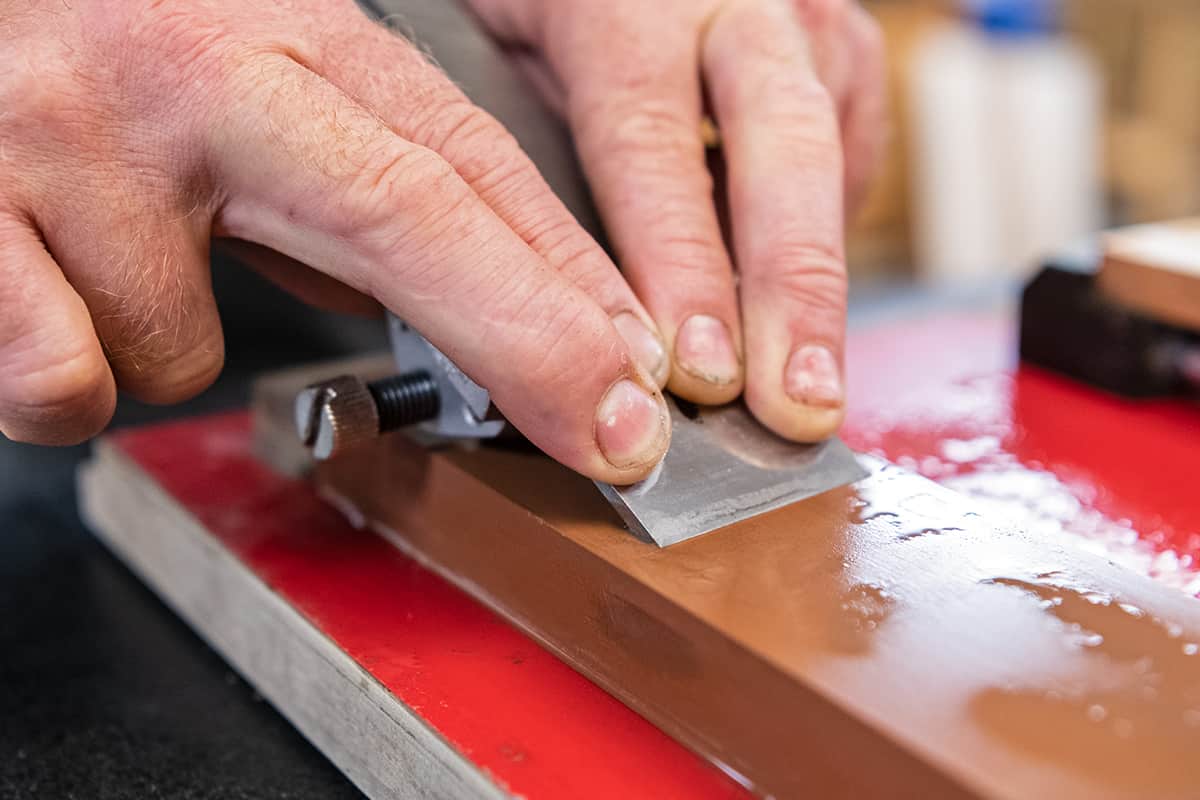
- Flatten the back first
- Hone bevel at consistent angle
- Finish with stropping for razor sharpness
Storage: Use protective caps or a chisel roll.
Handle Care:
- Wooden handles: light oil and check ferrules
- Strike only with appropriate mallet (no metal hammers on bevel‑edge chisels)
Clamps
Threads and Bars: Wipe clean to prevent glue build‑up.
Lubrication: Apply dry lubricant to screw threads for smooth action.
Pads: Replace worn or hardened clamp pads.
Alignment: Ensure jaws stay square and undamaged.
Files and Rasps
Cleaning:
- Use a file card or stiff wire brush
- Don’t use solvents — they trap debris
Storage:
- Keep files separated so teeth don’t dull against each other
Usage tip...
Files cut on the push stroke only.
Green Woodworking Tools
Includes froes, drawknives, hook knives, carving tools.
Cleaning: Sap removal is essential; use citrus cleaner or alcohol.
Sharpening: Maintain traditional bevels; use slipstones for curved blades.
Storage: Keep in breathable pouches — avoid airtight plastic when tools may be damp.
Hammers, Mallets and Punches
Faces: Smooth mushrooming on steel hammers using a file.
Handles:
- Tighten any loose heads
- Oil wooden handles for longevity
Punches and Drifts: Ensure tips are not chipped or deformed.
Knives and Scalpels
Sharpening:
- Woodworking knives: stone + strop
- Craft/scalpel blades: replace regularly
Cleaning: Remove resin with alcohol wipes.
Storage: Blade covers essential.
Marking, Measuring and Levels
Accuracy Checks:
- Squares: test against a known straight edge
- Levels: flip test to check bubble accuracy
Cleaning: Keep graduations free of dust; avoid abrasive cleaners.
Lubrication: Apply light oil to moving parts (sliding bevels, marking gauges).
Planes, Spokeshaves and Scrapers
Planes:
- Clean body after use
- Sharpen iron (flat back + even bevel)
- Wax soles to reduce friction
Spokeshaves:
- Check blade seating
- Hone bevel and adjust mouth opening
Scrapers:
- Maintain square edge
- Burnish hook with a quality burnisher
Pocket Hole Joinery and Dowelling Tools
Jigs: Keep clean and free from sawdust; lubricate moving parts lightly.
Bushings: Check for wear or ovaling.
Drill Bits: Keep sharp; replace when burning or tearing occurs.
Hand Saws
Cleaning: Remove pitch and wipe steel with oil.
Sharpening:
- Western saws: file teeth + set
- Japanese saws: replace blades
Tension and Set: Maintain correct tooth set for clean cuts.
Storage: Hang or sheath to protect teeth.
Sharpening Tools
Stones:
- Wash away swarf after use
- Flatten waterstones regularly
Strops: Reapply compound as needed.
Guides: Check rollers and clamps for wear.
Home Trades and DIY Tool Maintenance
Pliers, Tweezers, Cutters and Snips
- Oil pivot joints lightly
- Sharpen cutting edges (if designed for sharpening)
- Remove rust from serrated jaws with a brass brush
Screwdrivers and Manual Drills
- Keep tips square and burr‑free
- Oil ratchets or braces
- Check wooden handles for splits
Sockets, Spanners and Wrenches
- Wipe after use
- Light oil to prevent rust
- Inspect for rounding or deformation
Building Tools
Includes trowels, floats, levels and masonry tools.
- Clean off mortar or plaster before it hardens
- Keep edges smooth
- Store levels carefully to protect vials
Decorating Tools
- Clean paintbrushes thoroughly after use
- Condition natural bristles
- Scrapers and putty knives: keep edges clean and rust-free
Electrical Tools
(Non‑powered hand tools only)
- Keep insulated handles clean and crack‑free
- Never use tools with compromised insulation
- Store separately from metal tools to protect insulation
Plumbing Tools
- Clean pipe wrenches and oil adjustment nuts
- Check teeth for wear
- Keep deburring tools sharp
Final thoughts...
Caring for your hand tools isn’t complicated - but it is essential. A few consistent habits like cleaning off debris, protecting metal surfaces from rust, and keeping edges sharp will dramatically extend the life and performance of every tool you own. Pair that with routine checks of handles and fixings and a thoughtful storage setup, and you’ll spend far less time repairing tools and far more time enjoying the craft itself. With a little attention after each use, your tools will stay safer, sharper, and ready for whatever project comes next.
Discover more...
If you've enjoyed reading this guide, why not take a look at some of our blogs?
Get in touch!
Get in touch via our social media platforms. Find us on Facebook or Instagram.