Earn Points & Save Pounds
Machinery Maintenance | Enjoy Your Machines For Longer
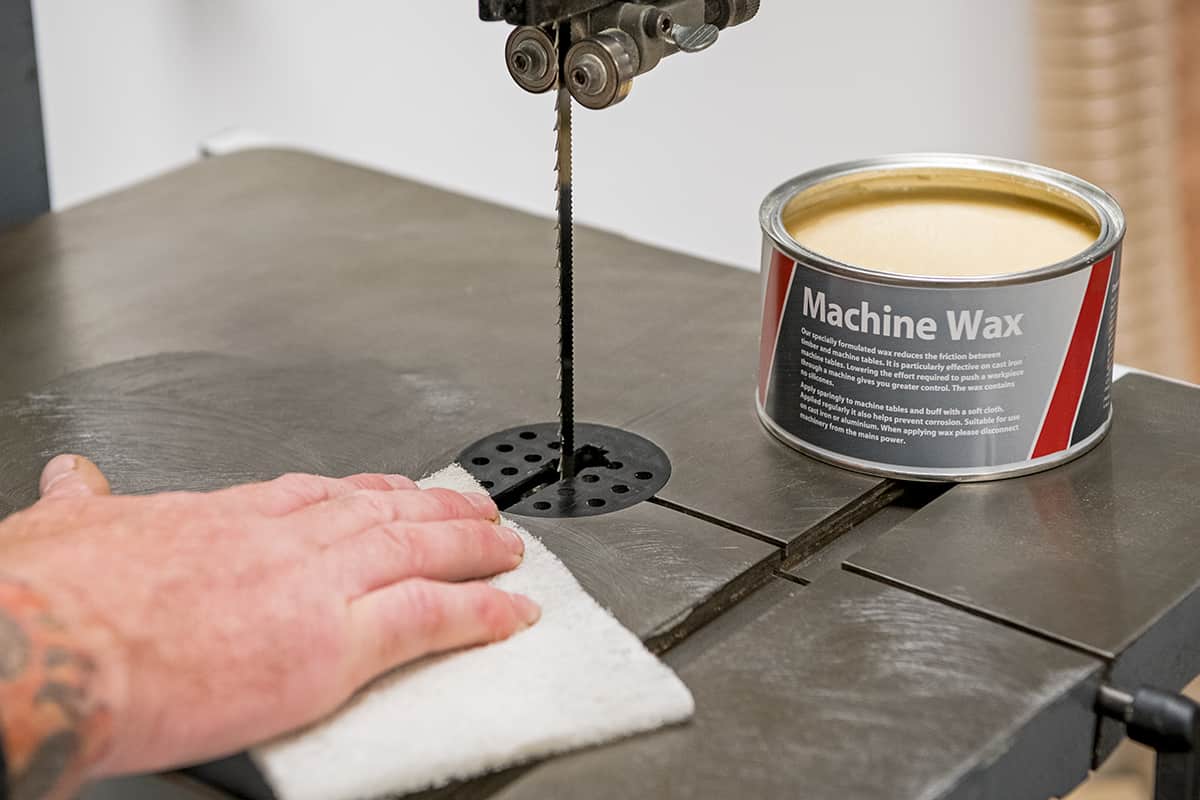
Woodworking workshop machinery is the heartbeat of many woodworking environments – from home workshops to professional joinery shops. When maintained correctly, your machines run safer, cut cleaner, last longer, and save you both time and money. Whether you’re using stationary workshop saws, lathes, sanders, or dust extractors, regular maintenance ensures performance, accuracy, and reliability.
This guide covers general machine‑care principles, followed by category‑specific maintenance tips for common woodworking and DIY machinery.
General Machinery Maintenance
In this guide, we’ll explore practical steps to prolong the life of your machines to category‑specific maintenance for various different types of machines you may have in your workshop.
Keep machines clean
Dust build-up is one of the biggest causes of machinery issues. After each session:
- Brush away sawdust
- Clear extraction ports
- Vacuum inside cabinet bases
- Clean tables and fences
Dust impacts precision, airflow, and safety - make cleaning a habit.
Lubricate moving parts
Friction wears out bearings, threads, slides, and gears.
Use:
- Dry lubricant for threads
- Machine oil for bearings and pivot points
- Paste wax for cast iron surfaces
Protect cast iron from rust
Humidity causes corrosion. Keep surfaces protected using:
- Machine wax
- Camellia oil mist
- WD‑40 Specialist anti‑corrosion spray
Avoid silicone-based polishes - they can contaminate wood finishes.
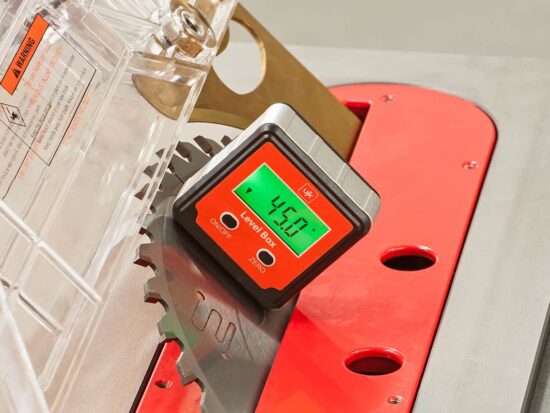
Check alignment and accuracy
Machines shift over time through vibration, temperature changes, or heavy use. Regularly check:
- Table flatness
- Fence alignment
- Blade or cutter parallelism
- Mitre gauge accuracy
- Belt tension

Maintain sharp cutting tools
- Blades, cutters, and knives need to be sharp for safe, clean operation
- Dull cutters strain motors and increase burning or tear-out
Follow manufacturer service intervals
- Always refer to your specific machine manual
- Replace consumables (belts, bearings, filters) as recommended
Machinery Maintenance Tips
Below is a full set of category-specific maintenance guidance to help you prolong the life of your woodworking machines.
Bench Grinders, Polishers and Linishers
Keeping abrasive machinery in peak condition ensures smoother sharpening, better metal finishing and safer operation. These machines generate heat, dust and vibration, so regular checks are essential.
Cleaning and dust control
- Brush away metal filings and abrasive dust after use
- Clean guards, tool rests and housings
- Check spark guards for clogging
Wheels and belts
- Grinders: Dress wheels regularly to maintain flat, clean surfaces
- Polishers: Replace worn mops and reapply compound
- Linishers: Check belts for wear, glazing or tracking issues
Alignment and adjustments
- Keep tool rests square and properly spaced from wheels
- Ensure linisher belts track correctly using the tension/tracking knobs
- Tighten all bolts and guards to reduce vibration
Safety checks
- Inspect wheel condition: cracks, chips or glazing
- Spin wheels by hand before turning on
- Check emergency stop functionality
Drills, Mills and Morticers
Precision drilling and cutting machinery needs accurate alignment and clean mechanical movement to perform at its best.
Cleaning and lubrication
- Remove chips and dust from tables, columns and bases
- Lightly oil quills, slides and dovetail ways
- Keep chuck tapers clean and lightly oiled
Belts and power transmission
- Inspect belts for cracks or glazing
- Correct belt tension to avoid slipping
Accuracy checks
- Square tables to the bit
- Check runout in drill chucks
- Align morticer chisels and augers for clean mortices
Cutting tool care
- Sharpen mortice chisels
- Clean and replace dull drill bits or milling cutters
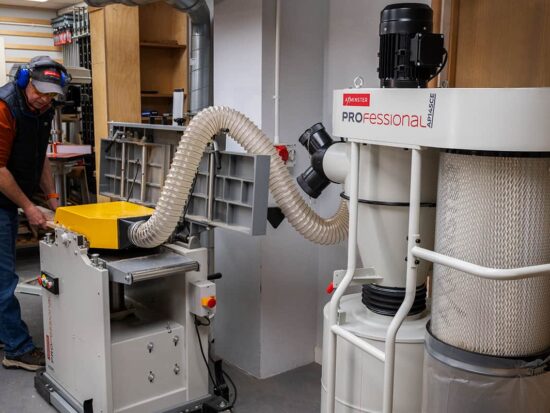
Dust Extractors
A well-maintained extractor protects both your machines and your lungs.
Filters and bags
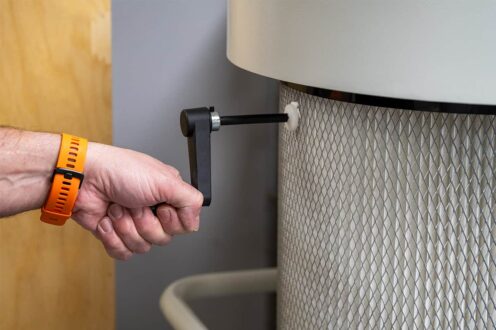
- Replace or clean filters as recommended
- Empty bags/containers before they reach 75% capacity
- Inspect HEPA or fine filters for clogging
Hoses and fittings
- Check for leaks or collapsed hose sections
- Clear blockages in bends and fittings
Motor and impeller
- Inspect for excessive heat or vibration
- Clean impeller blades if accessible
- Check carbon brushes (if applicable)
Airflow efficiency
- Avoid long ducting runs
- Seal unused ports
- Keep blast gates clean and fully functioning

Lathes
Lathes require smooth, aligned components for vibration-free turning.
Bed and ways
- Clean ways after each use
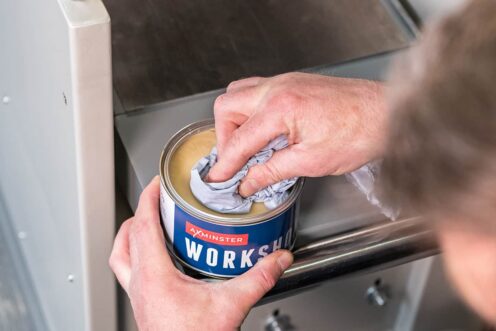
- Wax cast iron beds for corrosion resistance
Headstock and spindle
- Check spindle bearings for noise or play
- Keep collets and tapers clean
Tailstock
- Clean and lightly oil the quill
- Ensure alignment with headstock
Tool rests and banjo
- Keep the top of rests smooth
- Check locking mechanisms for wear
Chucks and accessories
- Disassemble and clean scroll chucks
- Lightly lubricate moving parts
Planers and Thicknessers
These machines depend on sharp blades, stable feeds and precise table alignment.
Cutters
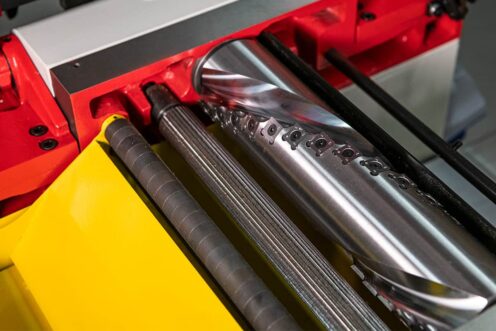
- Rotate or replace spiral insert cutters
- Sharpen or replace straight knives
- Clean resin build-up from blocks
Tables and beds
- Wax planer beds for smooth feed
- Clean infeed/outfeed tables
Feed system
- Check rollers for wear or glazing
- Clean rubber rollers with suitable cleaner
- Adjust pressure settings
Alignment
- Ensure tables are co-planar
- Check thicknessing scale accuracy
Powerfeeds
Powerfeeds improve consistency and safety - but only when maintained properly.
Rollers
- Inspect for wear, glazing or cracking
- Clean resin and dust build-up
Arm and mountings
- Tighten locking levers
- Check arm swing and vertical movement
Gears and electronics
- Inspect gearboxes for lubrication
- Check speeds and feed consistency
Alignment
- Ensure rollers are parallel to the workpiece
- Adjust pressure height according to material thickness
Sanders
From belt sanders to drum sanders, proper care ensures accuracy and clean abrasion.
Abrasive components
- Check belts/discs/drums for wear
- Clean abrasives with rubber cleaning blocks
Tracking and tension
- Adjust belt tracking
- Maintain correct tension on belt machines
Dust control
- Clean ports and internal dust build-up
- Ensure extraction is adequate - sanding creates fine dust
Tables and guides
- Keep tables square
- Lubricate sliding mechanisms
Saws
Includes table saws, bandsaws, mitre saws, panel saws, etc.
Blades
- Clean pitch and resin
- Sharpen or replace dull blades
Table and fences
- Keep cast iron clean and waxed
- Check fence alignment regularly
- Inspect mitre gauges for accuracy
Motors and belts
- Ensure correct belt tension
- Check for overheating or vibration
Safety components
- Inspect riving knives and guards
- Maintain emergency stop buttons
Sharpening Systems
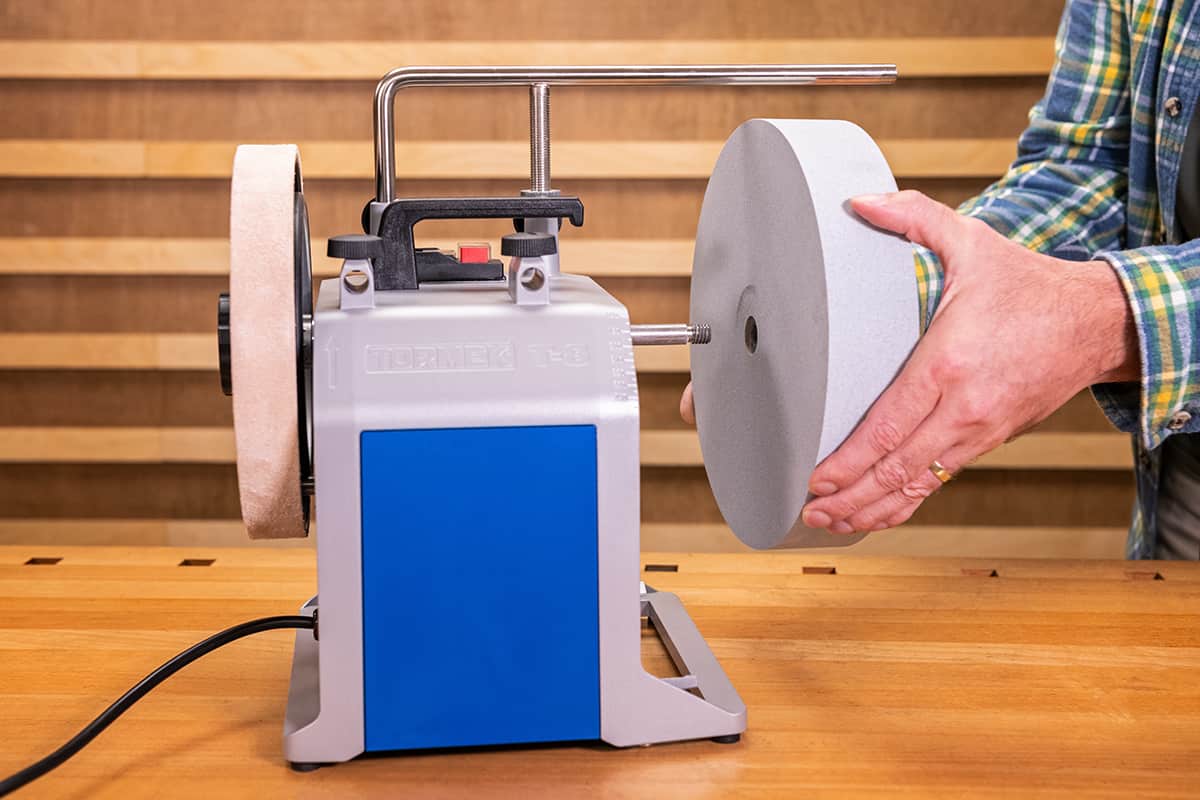
Sharpening machines last longer and deliver better results when cleaned and adjusted regularly.
Stones and wheels
- Dress grinding wheels
- Flatten or true waterstones
- Replace worn honing wheels
Water systems
- Use clean water
- Empty and dry tanks after use
Jigs and guides
- Check for smooth movement
- Lightly lubricate rotational components
Motors
- Inspect for noise or drift
- Ensure consistent speed output
Metal Working Tools
Designed for heavier loads, metalworking tools require consistent lubrication and alignment.
Lubrication and cooling
- Maintain oil levels in gear heads
- Clean coolant systems
- Check drip and lubrication feed rates
Tables and vices
- Clean swarf from slides
- Oil dovetail ways
Cutters
- Replace or sharpen turning tools and milling cutters
- Inspect inserts on indexable tooling
Accuracy
- Check spindle runout
- Ensure smooth slide motion
Spindle Moulders and Tenoners
These high‑precision shaping machines depend on alignment, sharp cutters and stable fences.
Cutterheads
- Inspect for nicks or damage
- Clean resin and dust build-up
- Sharpen knives or rotate carbide inserts
Fences
- Ensure parallel alignment
- Clean micro-adjustment mechanisms
Spindles
- Check bearings for noise/play
- Keep spindles clean and lightly oiled
Tables and beds
- Wax cast iron surfaces
- Clear dust accumulation around rise and fall mechanisms
Safety systems
- Inspect guards, pressure pads and extraction hoods
- Check braking system effectiveness
Final thoughts...
Regular machinery maintenance is one of the smartest habits for any woodworker. Clean machines run smoother, cut cleaner, last longer, and - above all - keep your workshop safe. By following the cleaning routines, lubrication schedules, and alignment checks outlined above, you’ll protect your investment and enjoy reliable, precise performance from every machine.
Discover more...
If you've enjoyed reading this guide, why not take a look at our Hand Tool Maintenance blog, or our Making the Leap from Hand Tools to Machines blog?