Earn Points & Save Pounds
Choosing the right saw: types of saws explained
Which type of saw should I buy? A question that perhaps beginner woodworkers will ponder over. A saw is one of the most well-used and essential machines you can have in the workshop. When it comes to cutting wood, the right machine can make all the difference. However, choosing one can feel overwhelming with so many types available, each designed for a specific task. This guide is designed to help you compare saw types side by side and choose the best saw for your specific woodworking needs.
Bandsaws
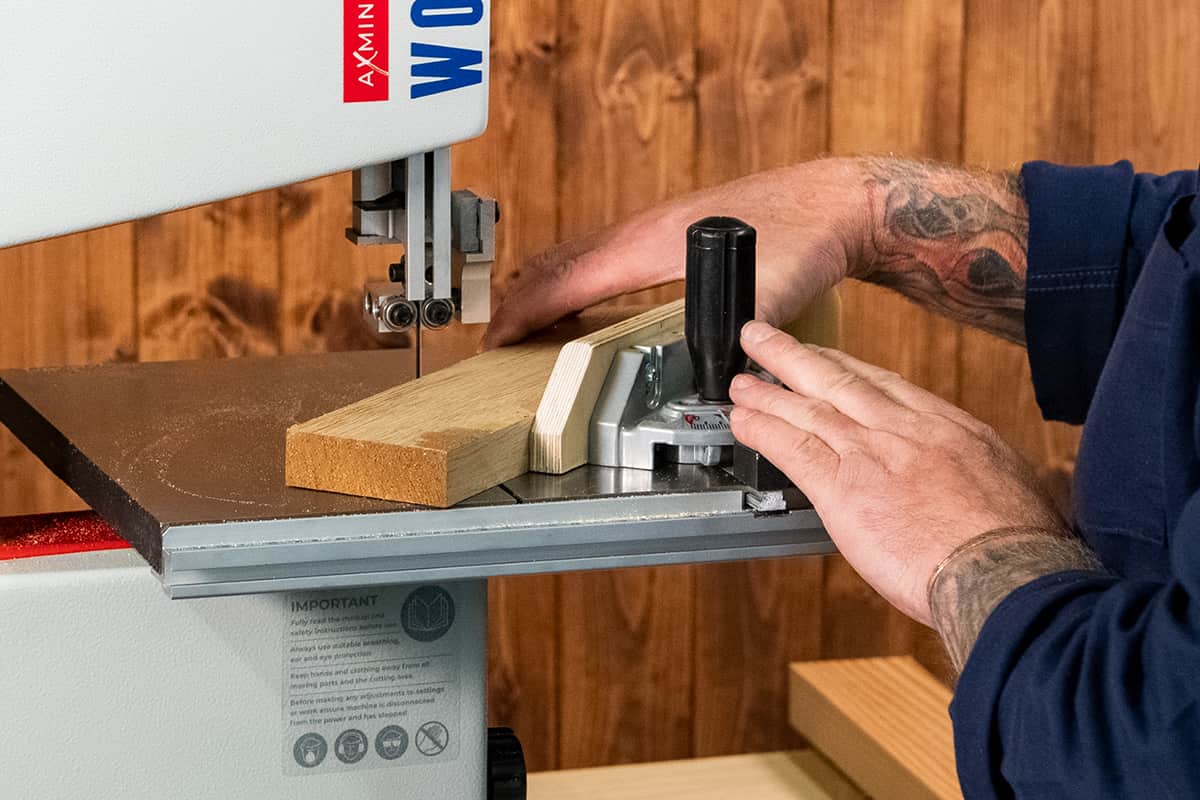
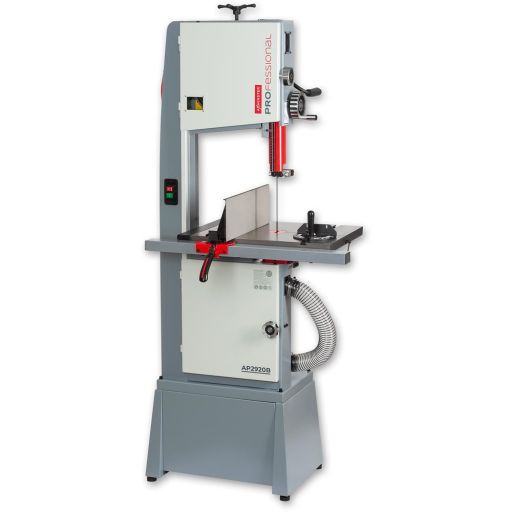
A bandsaw might look a bit intimidating at first, but it’s actually super handy. Available as a floor-standing or tabletop model, they use a long, continuous blade running around a couple of wheels to cut through material. The blade moves downward, giving you smooth, controlled cuts - perfect for curves, odd shapes, or slicing thick pieces of wood without breaking a sweat. They are used by beginners and professionals, as a staple machine in the workshop.
Why choose a bandsaw?
- Cut curves with ease
- Cut thick timber into thinner boards
- Handle larger cuts
- Suitable for rough and detailed work
Pros:
- Very versatile
- Great for curved cuts
- Handles thicker materials well
Cons:
- Less precise for straight cuts compared to a table saw
- Larger models can take up floor space
Best for...
Cutting/shaping furniture pieces, making rough cuts before finishing, cutting boards and cabinetry, crafting toys and decorative pieces.
-

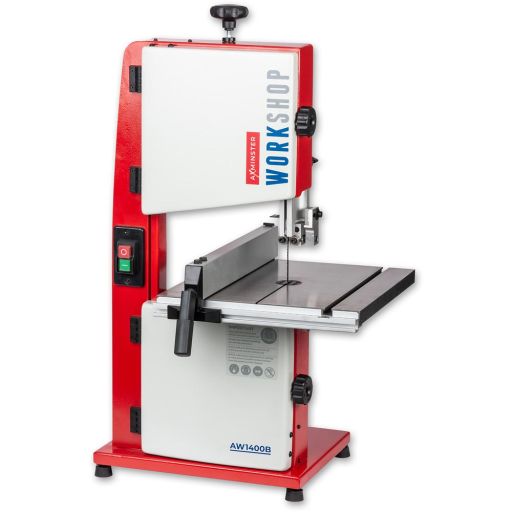 Axminster Workshop AW1400B Bandsaw - 230VFrom £239.98 £199.98
 -
Low Price
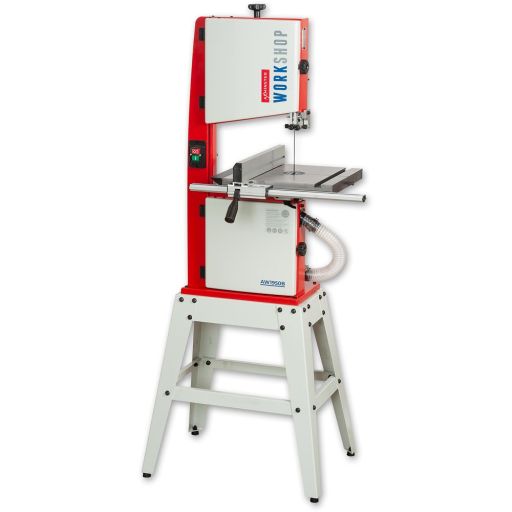
Axminster Workshop AW1950B Bandsaw - 230VSpecial Price £365.48 £304.57 was £429.98 £358.32 Save £64.50 £53.75 -

Low Price
Axminster Professional AP2920B Bandsaw - 230VSpecial Price £1,002.98 £835.82 was £1,179.98 £983.32 Save £177.00 £147.50 -
 Laguna 18|BX Bandsaw 230V with 2nd Year WarrantyFrom £2,729.98 £2,274.98
Mitre saws
A mitre saw is your go-to tool when you need clean, accurate angled cuts. It’s designed with a circular blade mounted on a swing arm that you bring down onto your material, making it quick and easy to get precise results. Whether you’re cutting straight across or at an angle, mitre saws are great for things like picture frames or skirting boards, making the the job simple and repeatable - perfect for projects where neat edges really matter.
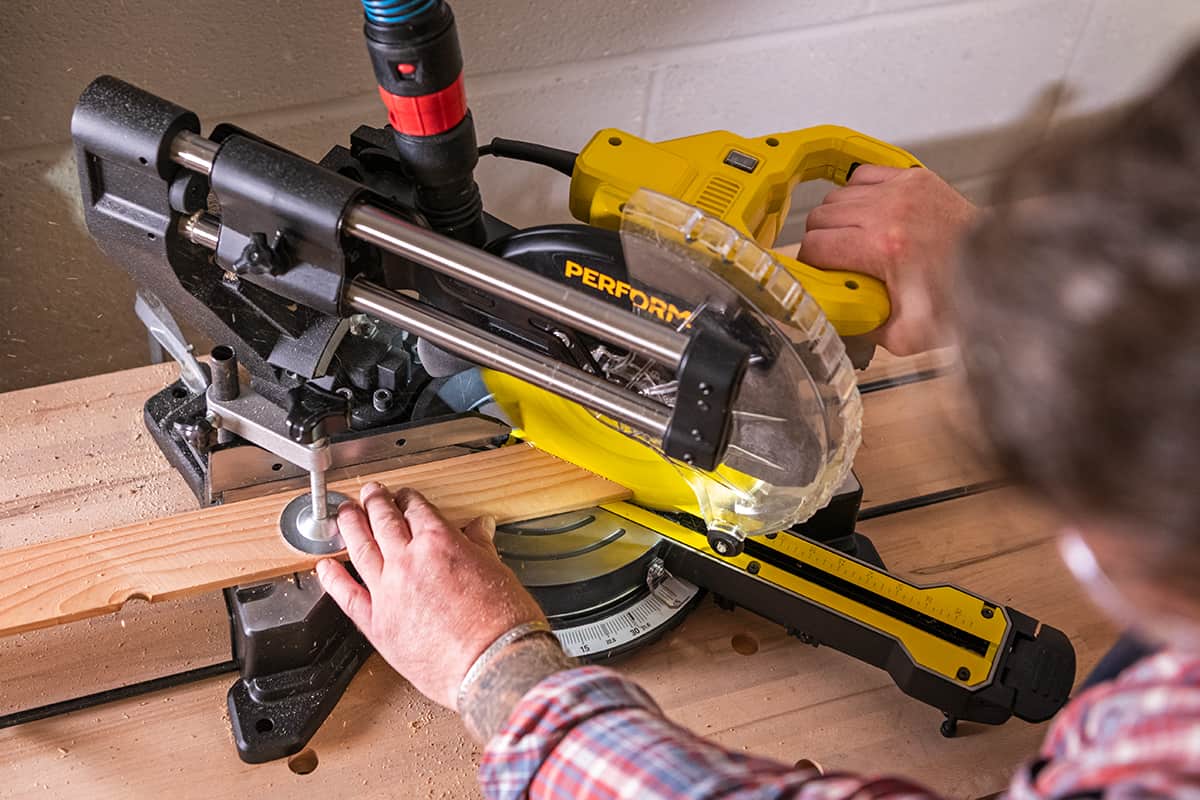
Why choose a mitre saw?
- Make precise, angled cuts
- Produce clean mitres and bevels
- Easy to use, even for beginners
Pros:
- Extremely accurate
- Fast and efficient
- Great for repeat, angled and straight cuts
Cons:
- Limited to shorter cuts compared to a bandsaw or table saw
- Not suitable for ripping long boards
Things to consider:
When choosing a mitre saw, consider blade size, cutting capacity, and whether you need a sliding function for wider materials.
Best for...
Picture frames, mirrors, skirting boards, architraves, door trims, mouldings and more. They can be used to cut timber for sheds, decking and furniture.
-

 Perform PD216SMS Slide Mitre Saw 230VFrom £149.98 £124.98
 -

New
Axminster Workshop AW254SMS Slide Mitre Saw 230VFrom £349.98 £291.65 -
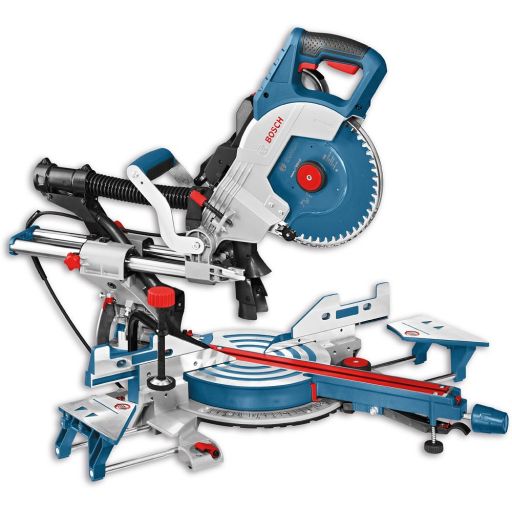 Bosch GCM 8 SDE 216mm Double Bevel Mitre SawFrom £609.98 £508.32
 -
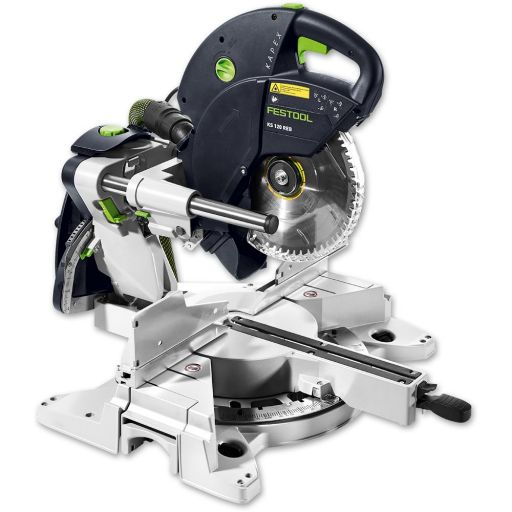 Festool KAPEX KS 120 REB 260mm Mitre SawFrom £1,545.98 £1,288.32
Panel saws
A panel saw is designed for cutting large sheets of material down to size with precision and ease. Commonly used in workshops and by professionals, it can handle full panels of plywood, MDF, or laminate without the need for heavy lifting or awkward manoeuvring.
Why choose a panel saw?
- Cut large sheet materials with ease
- Achieve straight, accurate cuts
- Reduce handling and manual effort
- Ideal for repetitive sizing tasks
Pros:
- Excellent for full sheets and large panels
- High accuracy and consistency
- Improves safety when handling big materials
- Great for production work
Cons:
- Takes up significant workshop space
- Typically more expensive
- Less versatile for smaller, detailed work
Things to consider:
When buying a panel saw, consider cutting capacity, the space it will live in, build quality, dust extraction and safety features.
Best for...
Preparing panels for cabinetry and large scale production work.
-
 Axminster Professional AP254CPS Compact Panel SawFrom £1,599.98 £1,333.32
 -
 Axminster Professional AP315CPS 315mm Panel Saw 230VFrom £4,349.98 £3,624.98
Scroll saws
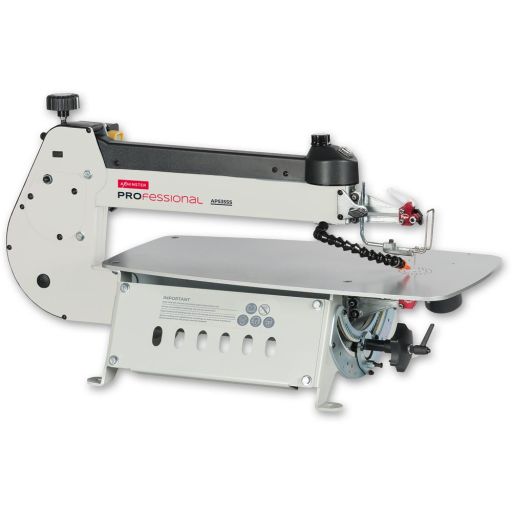
Scroll saws are perfect for when you need to get a bit more detailed with your cuts. It uses a thin, fine blade that moves up and down rapidly, making it ideal for intricate shapes, tight curves, and delicate designs. You guide the material by hand, which gives you plenty of control - great for craft projects, decorative work, or anything that requires a bit of precision and patience.

Why choose a scroll saw?
- Perfect for cutting intricate curves or shapes
- Excellent for craft and decorative work
- Good for fine, detailed projects
- Can cut a variety of materials (model depending)
Pros:
- Extremely precise
- Perfect for detailed work
- Safer than many larger saws
- Good for beginners looking to get into woodwork
Cons:
- Slower cutting speed
- Not suitable for thick materials unlike a bandsaw or table saw
Things to consider:
When choosing a scroll saw, consider throat size (cutting capacity), whether you need speed control, blade compatibility, table tilt and what build quality is best suited to you and your intended work.
Best for...
Making puzzles, ornamental designs, lettering, shapes, patterns in thin material, making model parts for projects and more.
-

New
Perform PD405FS Scroll Saw 230VFrom £109.98 £91.65 -

New
Axminster Workshop AW457SS Scroll SawFrom £249.98 £208.32 -
Low Price
Axminster Professional AP535SS Scroll Saw - 230VSpecial Price £679.98 £566.65 was £799.98 £666.65 Save £120.00 £100.00
Table saws & saw benches
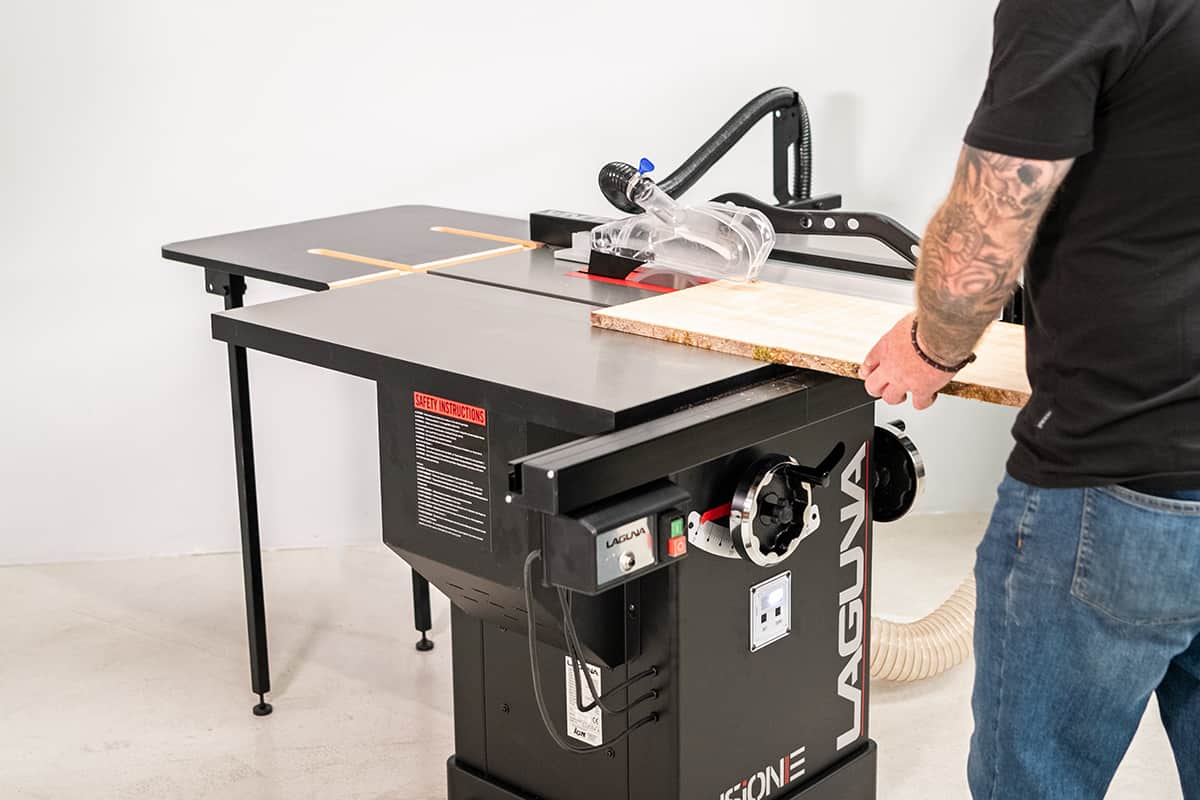
A table saw is a woodworking tool used to make straight, precise cuts. Its circular blade sticks up through a flat table, and you push the wood across it to cut. Table saws are great for rip cuts, crosscuts, and angled cuts, making them a versatile choice for many projects.
Why choose a table saw?
- Break down sheet goods with ease
- Make long straight cuts with precision
- Handle repetitive tasks with ease, accuracy and speed
- Highly versatile with the right setup
Pros:
- Excellent accuracy
- Ideal for large materials
- Great for repeat work
Cons:
- Requires more space
- Can have a steeper learning curve
Things to consider:
When purchasing a table saw, consider cutting capacity, portability vs size, motor capacity, rip fence quality and safety features.
Best for...
Breaking down plywood, MDF, large sheet materials for cabinets and furniture, as well as shelves, tables, benches. They're also good for making dados and grooves.
-
 Perform PD254TS 254mm Saw Bench 230VFrom £209.98 £174.98
 -

Low Price
Axminster Workshop AW254TS Table Saw - 230VSpecial Price £764.99 £637.49 was £849.98 £708.32 Save £84.99 £70.82 -
 SawStop JSS Jobsite Saw Pro 230VFrom £1,499.00 £1,249.17
 -
Low Price
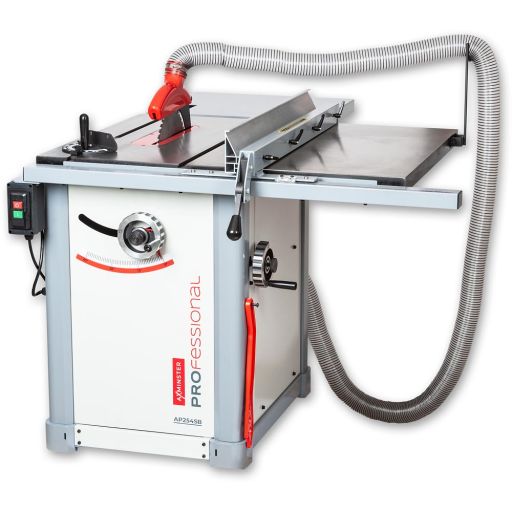
Axminster Professional AP254SB Table SawSpecial Price £1,349.98 £1,124.98 was £1,499.98 £1,249.98 Save £150.00 £125.00 -

Low Price
Axminster Professional AP305SBD Table Saw 230VSpecial Price £1,799.99 £1,499.99 was £1,999.98 £1,666.65 Save £199.99 £166.66 -
 Laguna F3 Fusion Table Saw 230V with 2nd Year WarrantyFrom £2,309.98 £1,924.98
A side-by-side comparison
Here’s a side-by-side comparison of the most common saw types to help you quickly identify which is right for your needs:
| Saw type | Types of cut | Material size | Material type | Portability | Beginner friendly? |
| Bandsaw | Curves & thick cuts | Small - medium | Hard and soft woods | Medium | Yes |
| Mitre saw | Clean, accurate angled cuts: mitres and bevels | Small - medium | Hard, soft and sheet material (Ply, OSB, MDF) | High | Moderate |
| Scroll saw | Detailed, intricate work | Small | Hard and soft woods | High | Yes |
| Table saw | Straight cuts | Medium - large | Hard, soft and sheet material (Ply, OSB, MDF) | Medium | Moderate |
| Panel saw | Straight cuts and large panels | Large | Hard, soft and sheet material (Ply, OSB, MDF) | Low | No |
Summary:
Which saw should I choose? Here’s a quick guide to help you decide:
- For beginners and DIY projects → Bandsaw
- For angled cuts → Mitre saw
- For straight cuts and sheet materials → Table saw
- For curves and thicker timber → Bandsaw
- For detailed or decorative work → Scroll saw
- For large panels and workshop production → Panel saw
When choosing a saw it's not just about the type, it's also about the level of performance and build quality you need. Here are some basic pointers to help you out:
Entry level → Perform
Best for light projects, learning, and beginner use. Offers great value with simple setup and reliable performance.
Mid range → Axminster Workshop
Designed for regular users as it has improved build quality, enhanced accuracy and are typically at a mid-range price bracket.
Professional / experienced hobbyists → Axminster Professional / Laguna / Saw Stop
Built for demanding environments and frequent use, these machines offer higher-spec capabilities, premium build quality, and enhanced performance, making them ideal for professionals and experienced hobbyists. As such, they sit within a more premium price bracket.
Frequently asked questions:
What is the best saw for beginners?
If you're looking for an all-rounder saw, a bandsaw is the one to go for. It's one of the most important tools in the workshop; it can be used for resawing, joinery, tenons, roughing out for blanks and much more.
What saw is best for cutting curves?
A bandsaw is great for cutting larger curves, however a scroll saw is excellent for detailed, smaller, intricate work.
What saw do I need for cutting sheet materials?
A table saw or panel saw is ideal for cutting sheet materials. A table saw is better for smaller sheets, whilst a panel saw is more suited to large panel sheets.
Can one saw do every type of cut?
No, not one saw can cut everything. Choose your type of saw depending on what your intended task is. Most workshops benefit from having a table or panel saw, for long straight cuts, and a bandsaw or scroll saw for smaller work.
What's the best saw for mitres?
A mitre saw is best for cutting mitres and bevels. Sliding mitre saws can handle wider boards and make repetitive angled tasks easier.
Are powered saws better than manual?
Powered saws are faster therefore more efficient and precise. Manual saws are of course cheaper, portable and perhaps easier for smaller, less frequent tasks.
How do I maintain and care for my saw?
Keep blades sharp and clean. Lubricate moving parts as recommended. Use dust extraction to clear any wood dust and debris and follow manufacturers advice.
Safety tips:
Whichever saw type you purchase, it's important to have safety at the forefront of your mind.
- Wear eye protection
- Ensure you have good dust extraction and wear a mask
- Use guards and the safety features
- Keep your hands away from the blades
- Follow the manufacturers advice
By understanding the strengths of each saw type, you can confidently choose the right tool for your workshop and get the best results from every project.