Earn Points & Save Pounds
Which Sander Is Best For Me? | A Guide To Sanding Methods
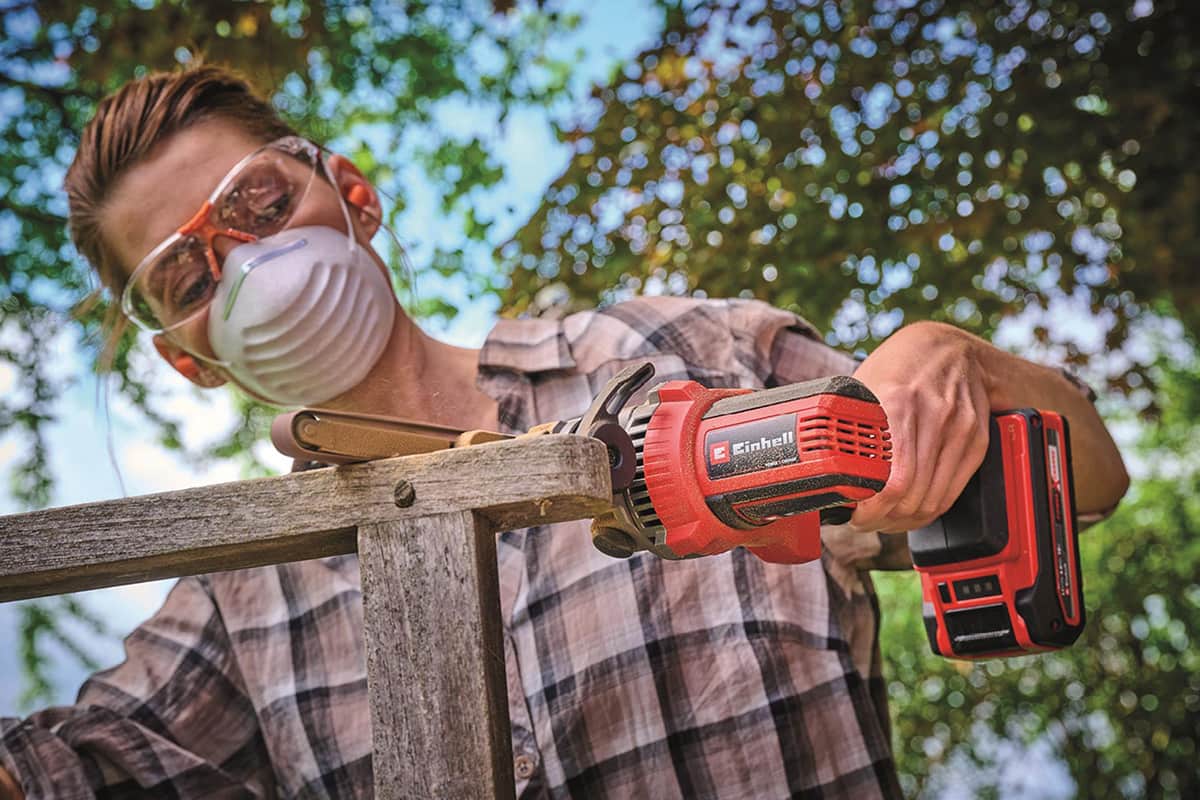
Sanding is often one of the most important - albeit mundane - steps in woodworking and finishing. Whether you're prepping timber for a smooth finish, stripping paint or refining edges, choosing the right sander and method can transform your project from average, to professional quality. In this guide, we'll explore the benefits of a variety of sanders, so you can choose the perfect one for your workshop.
Sanding machines: the workhorse of the workshop
For those who create larger-scale projects, a sanding machine will be one of the most used in the workshop, offering speed, precision, and a finish no one can argue with. Let's take a look at some options:
Belt & disc sanders
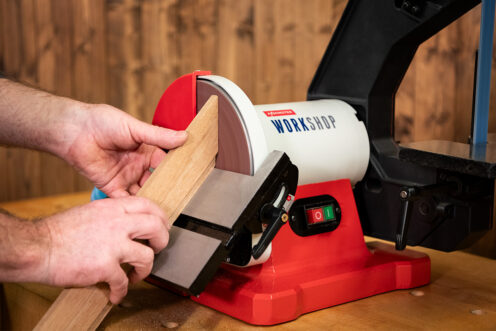
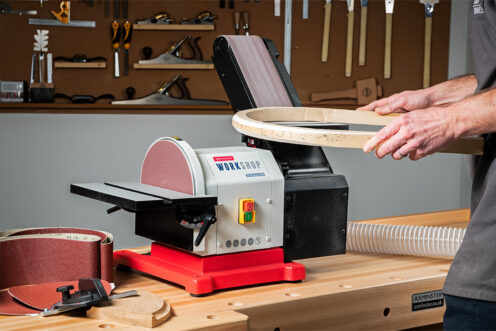
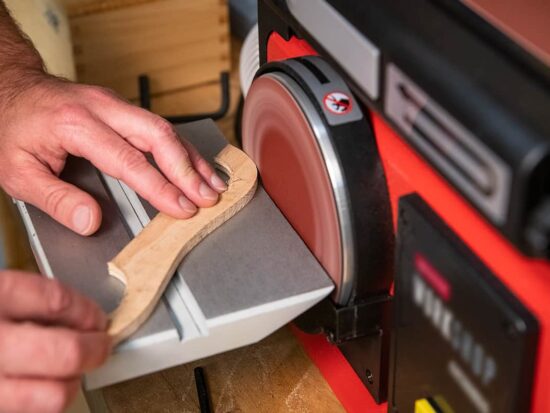
These versatile machines combine a belt and disc sander in one, making them ideal for rapid stock removal, shaping, and fine smoothing. The belt’s continuous abrasive loop quickly removes material and smooths edges, while adjustable tilting tables allow for accurate sanding of compound angles and mitres.
-


Low Price
Axminster Workshop AW18BDS Belt Disc Sander 230VSpecial Price £179.99 £149.99 was £199.98 £166.65 Save £19.99 £16.66 -
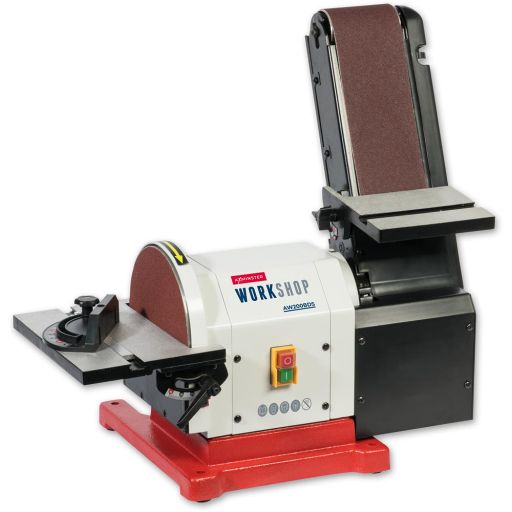 Axminster Workshop AW200BDS Belt & Disc Sander - 230VFrom £179.98 £149.98
-
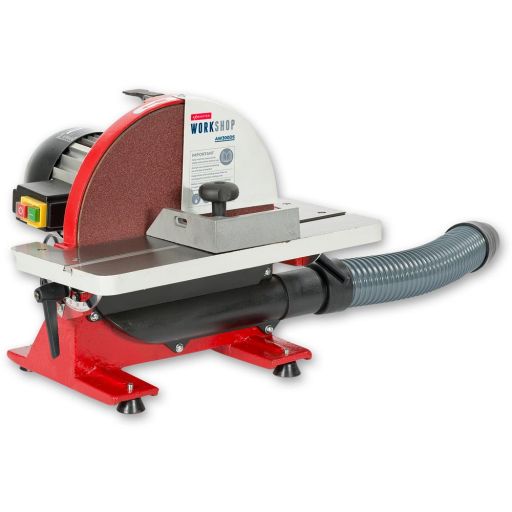 Axminster Workshop AW300DS 300mm Disc Sander - 230VFrom £209.98 £174.98
 -

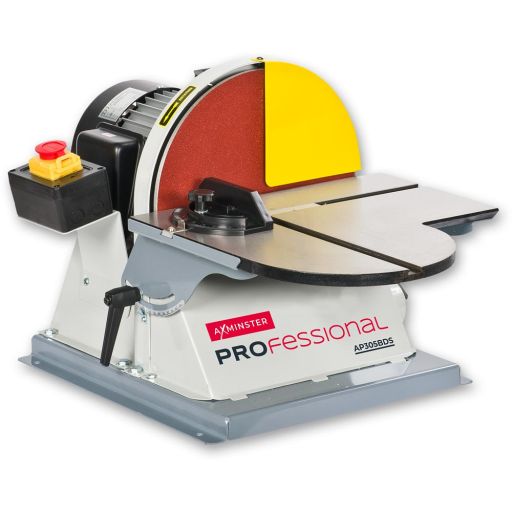 Axminster Professional AP305BDS Disc Sander - 230VFrom £599.98 £499.98
 -
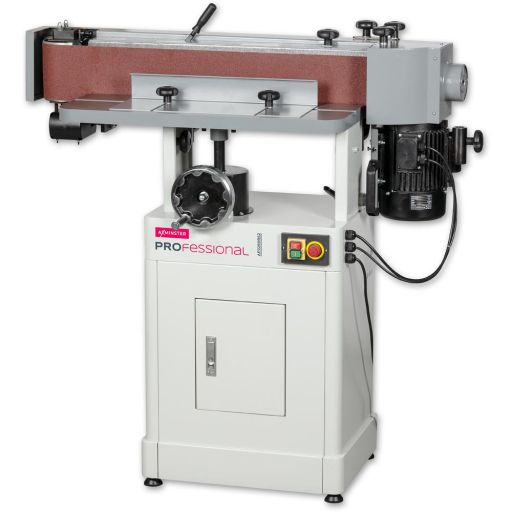 Axminster Professional AP2260BS2 Belt Sander - 230VFrom £849.98 £708.32
Bobbin sanders
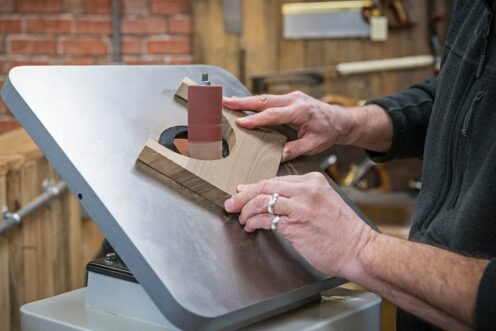
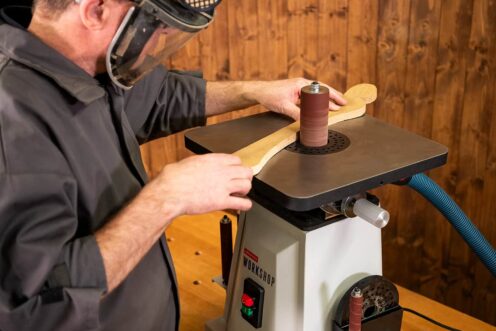
When dealing with tricky curves and contours, bobbin sanders are the perfect choice. Typically compatible with a range of spindle sizes, the bobbins oscillate vertically, leaving a smooth, clean finish.
-

Low Price
Axminster Workshop AW140BS Bobbin Sander 230VSpecial Price £332.48 £277.07 was £349.98 £291.65 Save £17.50 £14.58 -
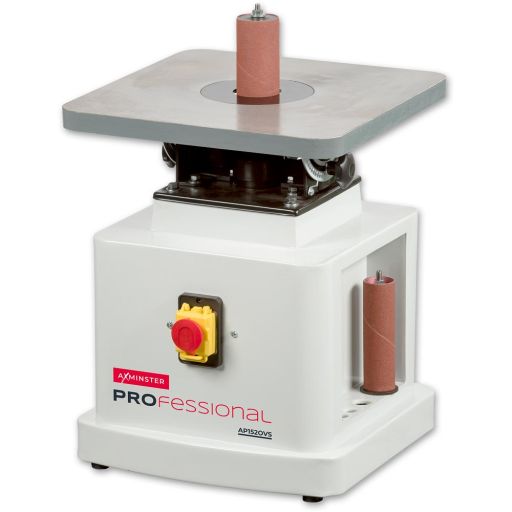
Low Price
Axminster Professional AP152OVS Bobbin Sander - 230VSpecial Price £472.48 £393.73 was £539.98 £449.98 Save £67.50 £56.25
Drum sanders
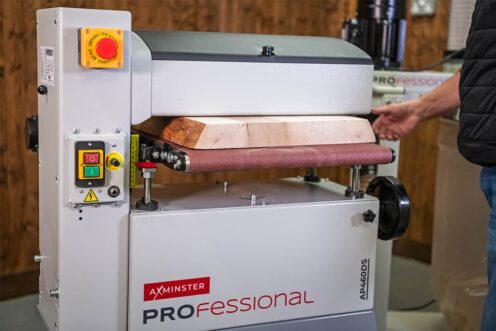
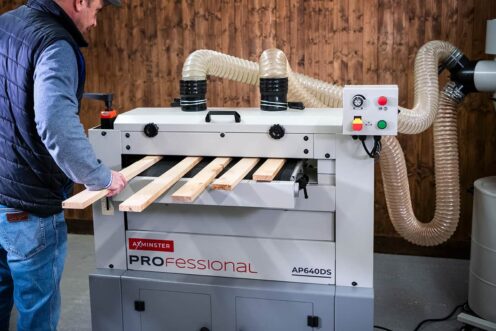
Drum sanders are excellent at preparing large, flat panels for your projects. Offering consistent pressure and an even finish, it uses a rotating drum, wrapped in abrasive to remove fine layers of wood as the timber is fed through a conveyor belt. At Axminster Tools, we offer a few different drum sander options: open drum models (great for large pieces of timber), as well as dual drum designs (run two different grit belts simultaneously). Fancy reading more about how a drum sander could improve your workflow? Read our blog.
-
 Axminster Professional AP640DS Drum Sander 230VFrom £2,299.98 £1,916.65
 -
 Axminster Professional AP460DS 460mm Drum SanderFrom £1,499.98 £1,249.98
 -

Low Price
Laguna 16-32 Drum Sander 230V with 2nd Year WarrantySpecial Price £1,286.99 £1,072.49 was £1,429.98 £1,191.65 Save £142.99 £119.16 -
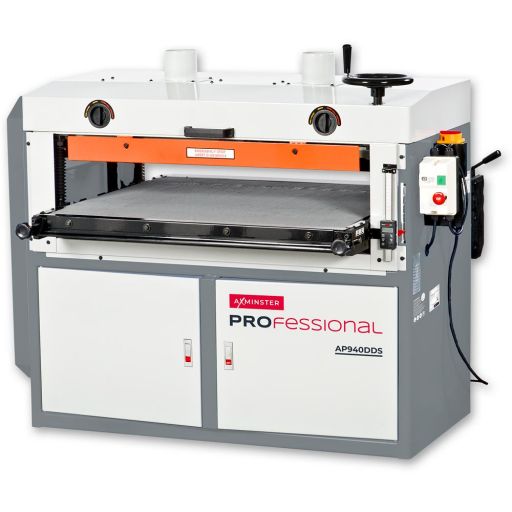 Axminster Professional AP940DDS Drum Sander - 415VFrom £5,999.98 £4,999.98
Learn more
Read our blog about machinery sanders here.
Power tool sanders
Of course, a machine might not be the best fit for your work, especially if you're on site or need to travel. This is where power tool sanders come in useful.
Random orbit sanders
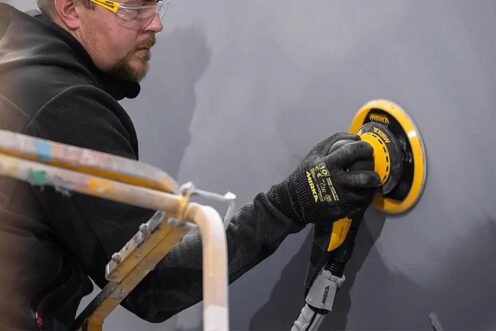

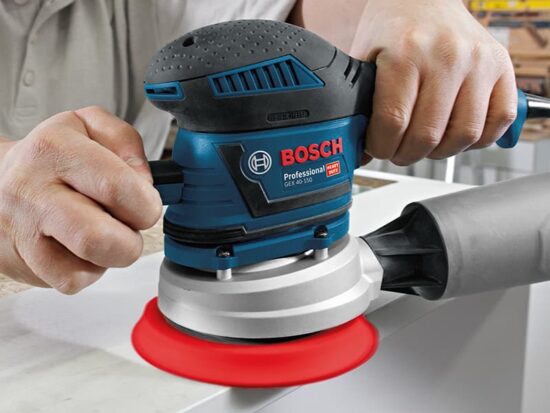
Proving very popular, random orbit sanders are a great all purpose tool. They combine rotation and oscillation to smooth surfaces efficiently and with less visible patterning.
-
 Einhell TE-RS 18 Li Orbital Sander 18V (Body Only)From £49.98 £41.65
 -

Free Extras
Festool ETSC 2 150-Basic Eccentric Sander 18V (Body Only)From £422.98 £352.48 -
 Mirka DEROS II 750 Random Orbit Sander 175mm 230VFrom £499.98 £416.65
 -
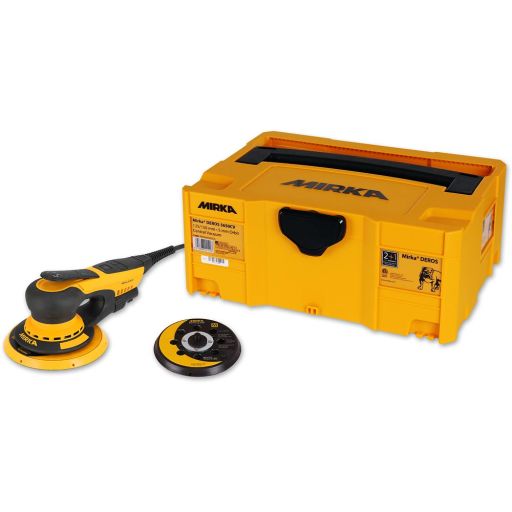 Mirka DEROS II 5650CV Random Orbit SanderFrom £542.98 £452.48
 -

Low Price
DeWALT DCW210N XR Random Orbital Sander 18V (Body Only)Special Price £119.98 £99.98 was £126.98 £105.82 Save £7.00 £5.83 -
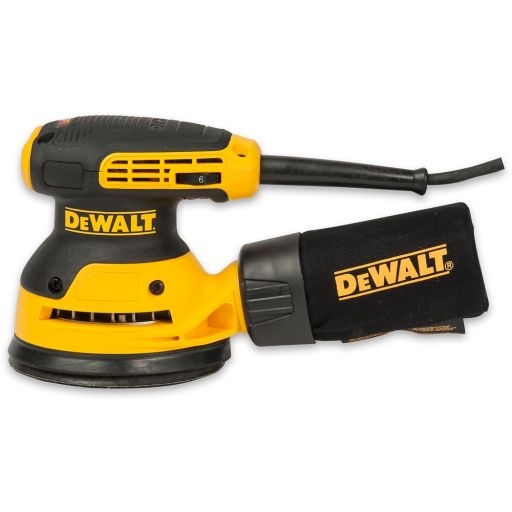 DeWALT DWE6423 125mm Random Orbit SanderFrom £89.98 £74.98
 -
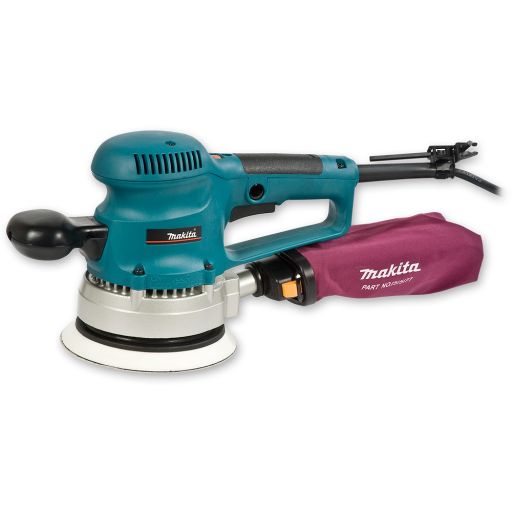 Makita BO6030 Random Orbit SanderFrom £143.98 £119.98
 -
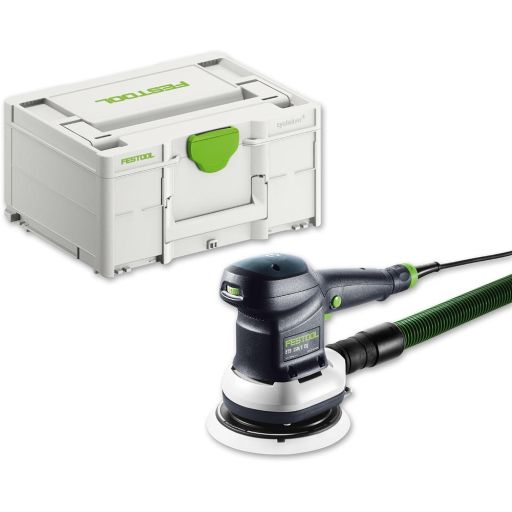 Festool ETS 150/3-EQ Plus SanderFrom £459.98 £383.32
Belt sanders
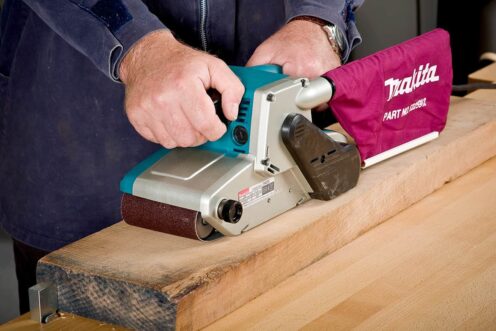
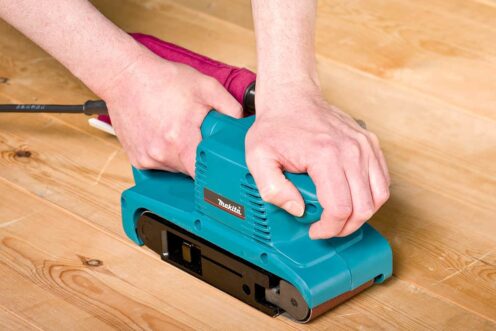
Robust and powerful, belt sanders operate at high speed to remove large amounts of material quickly. They’re particularly effective for stripping or levelling broad surfaces, such as floors.
-

Low Price
Einhell TP-BS18/457 Li BL Belt Sander 18V (Body Only)Special Price £99.98 £83.32 was £105.98 £88.32 Save £6.00 £5.00 -
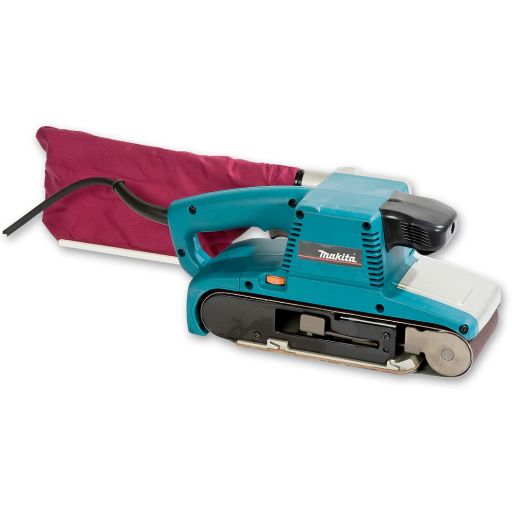 Makita 9404 Belt SanderFrom £293.98 £244.98
 -
 Einhell TE-BF 18 Li Belt File 18V (Body Only)From £79.98 £66.65
 -
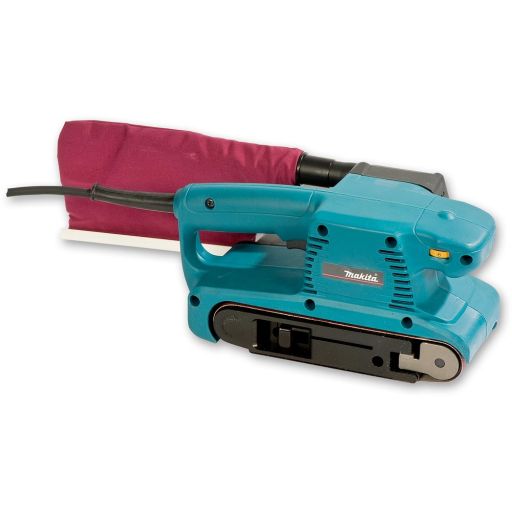 Makita 9911 Belt Sander - 230VFrom £123.98 £103.32
Palm sanders
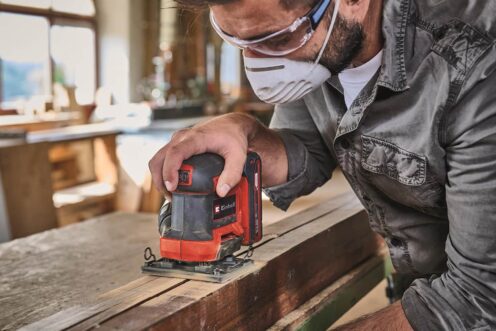
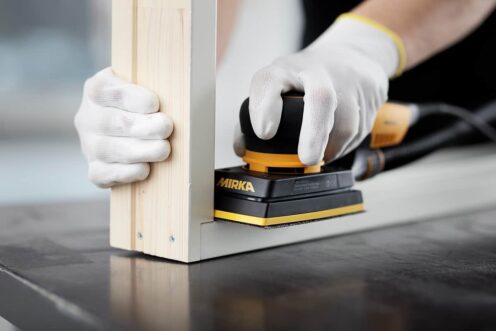
Use a palm sander for small to medium sized jobs such as resurfacing furniture. They will remove the surface of the wood, leaving a smooth finish, however be careful not to place too much pressure on the sander. This will wear out the abrasive, so keep it light.
-
 Einhell TE-OS 18/113 Li Palm Sander 18V (Body Only)From £49.98 £41.65
 -
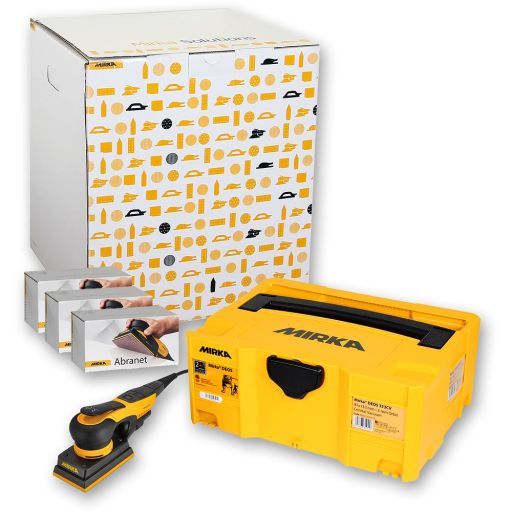 Mirka DEOS II 353CV 81 x 133mm Sander Deco Solution KitFrom £549.98 £458.32
 -
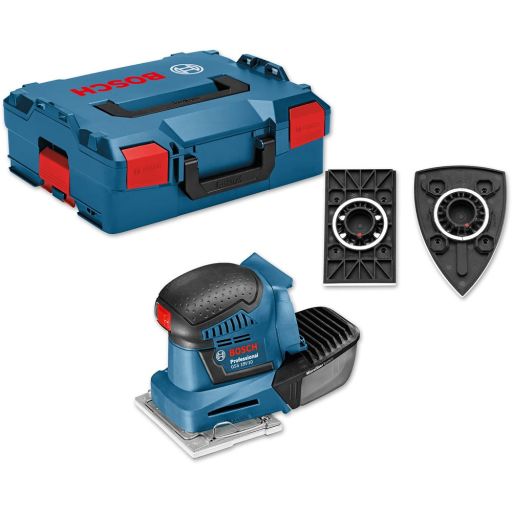 Bosch GSS 18V-10 Multi-Base Palm Sander in L-BOXX (Body Only)From £119.98 £99.98
 -
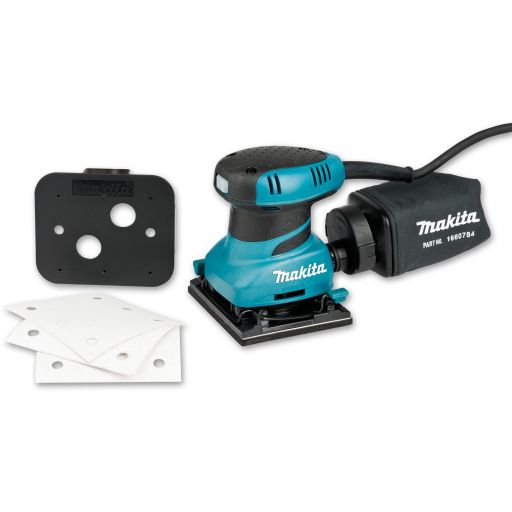 Makita BO4555 Palm SanderFrom £71.98 £59.98
Discover more
Read more about power tool sanding methods via our blog.
Hand sanding
Despite the power and speed of machines, hand sanding remains irreplaceable for many stages of a project:
-
Detailing edges and corners where machines can’t reach
-
Final smoothing before staining or finishing
-
Touch‑ups after machine sanding
Hand sanding gives you control that no machine can match. It’s especially useful between finish coats and for delicate mouldings or carvings. Always start with a coarser grit and progress to a finer grit to eliminate scratches and achieve smoothness.
-
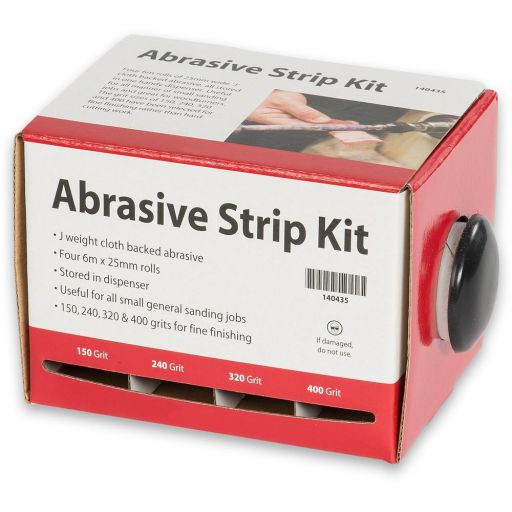 Axminster Abrasive Strip KitFrom £10.98 £9.15
 -
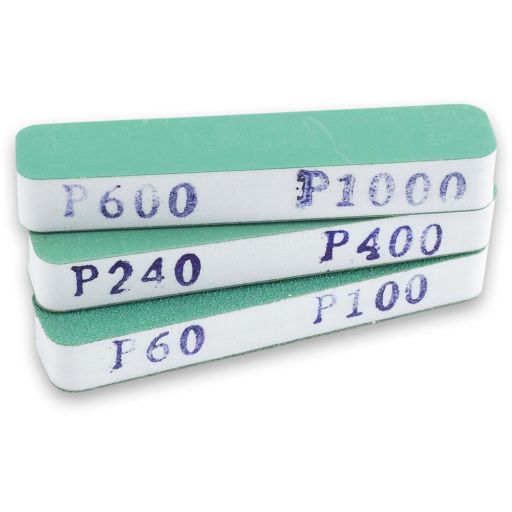 FlexiSander Dual-Grit Sanding Pads - 80 x 30 x 6mm (Pkt 3)From £3.88 £3.23
 -
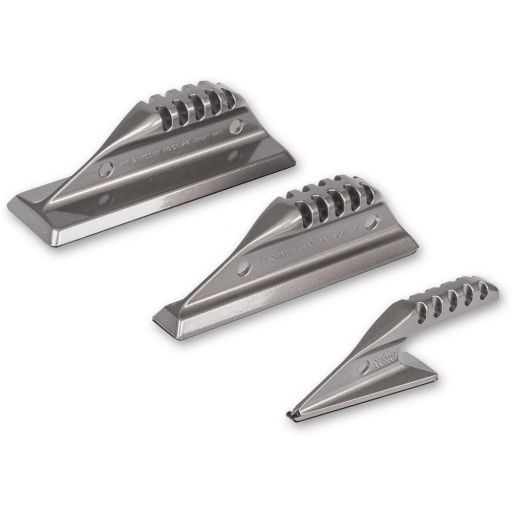 NT Sanding Plate PackageFrom £29.98 £24.98
 -
 Mirka Dust Free Sanding Kit + 250 Abranet SheetsFrom £113.88 £94.90
 -
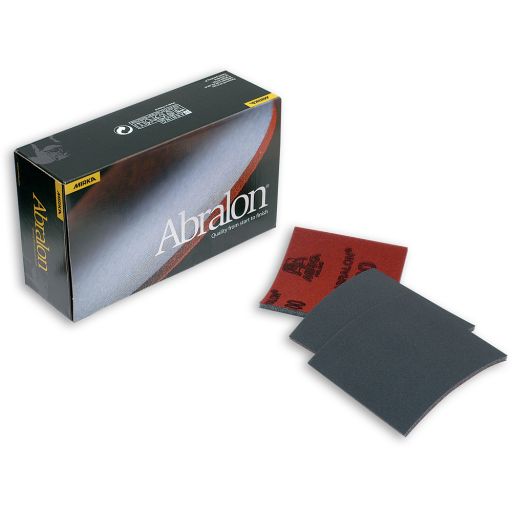 Mirka Abralon Finishing Pads (Pkt 20) - 600gFrom £40.78 £33.98
Some sanding tips...
No matter which method or tool you use, good sanding technique matters:
-
Start coarse, finish fine – Work through grit progression for best results.
-
Let the tool do the work – Don’t press too hard; excessive pressure can cause swirl marks or uneven surfaces.
-
Work with the grain – Especially for wood, sanding with the grain minimizes visible scratches.
-
Dust control matters – Connect vacuum extraction where possible to keep your workspace clean and your sanding effective.
Understanding different sanding methods empowers you to choose the right tool for the job and elevate your woodworking results. From heavy‑duty workshop machines to fine hand sanding, each method has its place in your workflow. Explore these tools at Axminster Tools to build a sanding setup that suits both your projects and budget.